
Leucadendron pubescens
Leucadendron pubescens
Description
Growing requirements
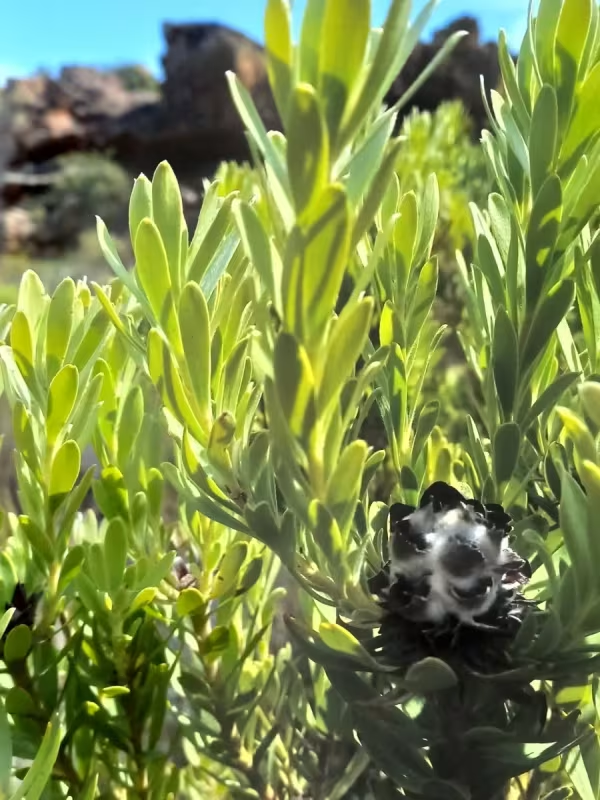
Leucadendron pubescens is a distinct shrub belonging to the Proteaceae family, native to the Western Cape region of South Africa.
This species thrives in well-drained, acidic, and nutrient-poor soils. It is naturally adapted to sandy and rocky slopes where water drainage is efficient and rapid.
Climatically, it requires Mediterranean conditions: mild, moist winters and warm, dry summers. It is frost-tender and should be protected when temperatures drop below freezing.
Full sun exposure is mandatory for healthy development. Without sufficient direct light, the plant loses its signature fuzzy texture and vibrant coloration of the bracts.
Proper irrigation management is vital. The plant prefers consistent but light moisture, as waterlogging is the primary cause of root system failure in cultivation.
Main diseases and pests
Root rot, primarily caused by Phytophthora species, is the most critical threat to Leucadendron plantations, often exacerbated by high soil moisture levels.
Pests such as mealybugs and spider mites may infect the foliage, particularly when the plants are grown under suboptimal air circulation or glasshouse conditions.
Phosphorus toxicity is a significant physiological risk; Proteaceae are highly sensitive to fertilizers containing phosphorus, which can lead to severe nutrient imbalances.
Fungal diseases can affect the leaves if humidity remains too high, potentially causing leaf spot or blight that impacts the marketable quality of the cut stems.
Integrated pest management and strict drainage protocols are essential for maintaining a healthy and productive crop of Leucadendron pubescens.
Harvesting
The primary commercial use of Leucadendron pubescens is in the cut flower industry, where it is prized for its unique, pubescent (hairy) bracts and long vase life.
Harvesting is typically performed by hand once the bracts have developed their characteristic color and reach the desired stage of opening for floral display.
Immediately after cutting, stems should be processed by placing them in clean water with specialized floral preservatives to maintain turgidity and extend shelf life.
Post-harvest logistics require careful temperature management to ensure the flowers arrive at the market in prime condition, free from wilting or mechanical damage.
As a specialized floricultural crop, it is highly valued by designers for creating sophisticated bouquets and large-scale botanical installations.