
Leucadendron coniferum
Leucadendron coniferum
Description
Growing requirements
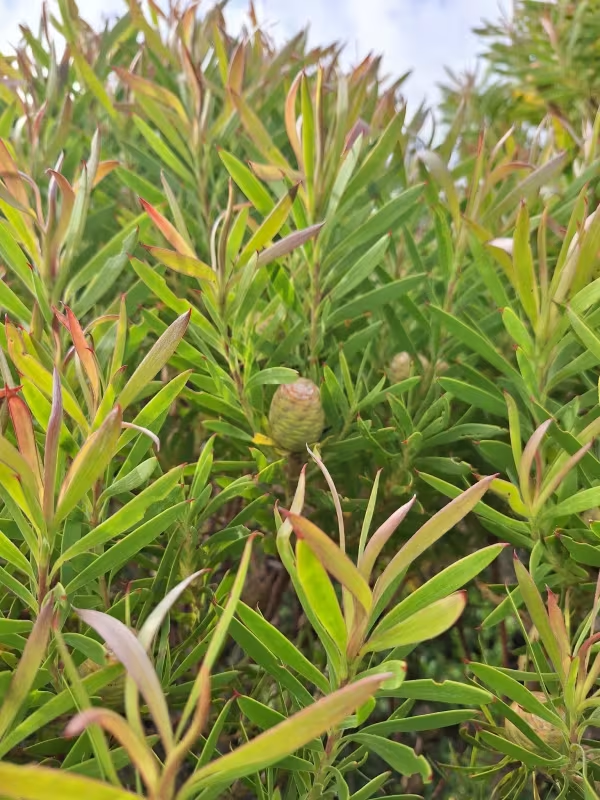
Leucadendron coniferum is a member of the Proteaceae family, native to the Cape Floristic Region of South Africa. This evergreen shrub is perfectly adapted to a Mediterranean climate characterized by mild, wet winters and warm, dry summers.
For successful cultivation, the crop requires well-draining, acidic, nutrient-poor soils. It is highly sensitive to phosphorus, so specialized fertilizer regimes are necessary to ensure plant health without causing toxicity.
The plant thrives in full sun, which is essential for developing vibrant bract colors and maintaining a compact habit. Inadequate sunlight leads to etiolation and reduced floral quality, making site selection critical for profitability.
Environmental requirements include protection from strong winds and severe frosts. While the species shows some tolerance to cold, it is not hardy and must be protected from freezing temperatures to prevent systemic damage.
Agricultural management involves careful irrigation using low-salinity water, as these plants are highly susceptible to salt-induced chlorosis. Regular pruning is essential to maintain plant shape and stimulate the development of high-quality flowering stems.
Main diseases and pests
The most significant threat to Leucadendron coniferum is root rot caused by Phytophthora species. This disease is exacerbated by poor soil drainage and waterlogging, often leading to total loss of the crop.
Prevention focuses on planting in mounds or well-drained slopes and avoiding excessive overhead irrigation. Using certified disease-free stock is a foundational practice for establishing a healthy and productive plantation.
Pest pressures include mealybugs and aphids, which frequently target tender growth and flower buds. Integrated Pest Management (IPM) strategies, including biological control agents, are effective for maintaining quality without chemical overuse.
Mites can become problematic during hot, dry spells, requiring attentive monitoring. Keeping the plantation environment clean and thinning overly dense canopies helps in reducing the incidence of pest outbreaks and disease spread.
Sanitation practices, including the removal of infected plant debris, are crucial for long-term health. Ensuring proper air movement within the crop rows reduces humidity levels, which is a major factor in suppressing fungal pathogens.
Harvesting
The primary commercial use of Leucadendron coniferum is in the international cut-flower trade. Its unique, long-lasting bracts make it a highly sought-after component in professional floral arrangements and bouquets.
Harvesting is performed when the bracts have fully matured and reached their optimal color intensity. Timing is critical, as premature harvesting leads to poor vase life, while delayed harvesting affects the quality of the foliage.
Stems are harvested using sanitized, sharp secateurs, leaving sufficient lower foliage and buds on the shrub to ensure vegetative regrowth for the next season. Over-harvesting should be avoided to prevent plant stress.
Post-harvest handling involves immediate cooling and hydration to maintain the flower's turgor. The stems are graded based on length, color uniformity, and stem strength, ensuring that only top-tier produce is shipped.
Efficient supply chain logistics allow Leucadendron coniferum to reach global markets in excellent condition. Its durability and distinct aesthetic appeal make it a premium product in the global floriculture industry.