
Leucadendron hybrid
Leucadendron hybrids
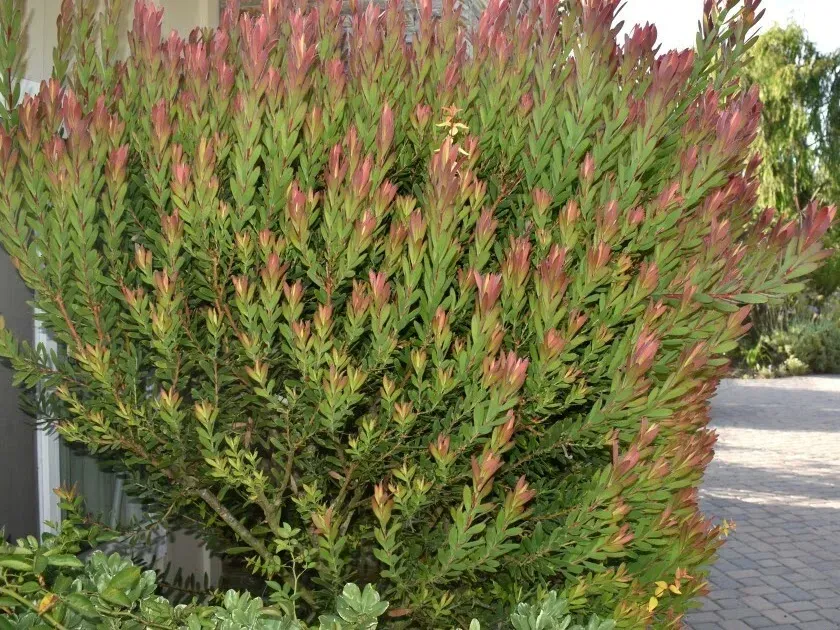
Description
Growing requirements
Leucadendron hybrids belong to the Proteaceae family and are sophisticated cultivars developed for the floral industry. Their wild ancestors originated in South African fynbos, thriving in poor, sandy, and well-drained soils with low fertility levels.
A crucial agrotechnical requirement is to avoid phosphorus-rich fertilizers, which can be fatal to these plants. The soil pH should be maintained in the range of 5.0 to 6.0 to ensure optimal nutrient uptake and prevent chlorosis.
These plants are highly photophilous and require full sun exposure to develop their vibrant bract colors. In temperate climates, cultivation is restricted to climate-controlled greenhouses, as the plants cannot tolerate frost or sub-zero temperatures.
Excellent drainage is non-negotiable; waterlogging in the root zone quickly causes root rot. Irrigation should be managed carefully, using low-salinity, soft water to prevent the accumulation of minerals that can damage the sensitive root system.
Commercially, these plants are grown primarily as a high-value cut flower crop. Their structural longevity and unique aesthetics make them a premium choice for modern floral design and event décor.
Main diseases and pests
Phytophthora root rot is the most serious threat to Leucadendron crops, often occurring when soil aeration is insufficient or drainage is impaired. Early detection and prevention are vital.
Pests such as mealybugs and scale insects pose significant risks, feeding on plant sap and weakening the shoots. These pests can rapidly proliferate in enclosed greenhouse environments.
Regular sanitation of tools and nursery surfaces is necessary to prevent the spread of fungal pathogens that can manifest as leaf spots or stem lesions, negatively impacting quality.
Integrated Pest Management (IPM) protocols are recommended, utilizing biological control methods alongside selective insecticides to manage pest populations without damaging the plant.
Constant observation of the canopy is required to ensure that early outbreaks of pests or diseases are identified and treated before they cause widespread crop loss.
Harvesting
Harvesting should occur when the colourful bracts have fully developed their characteristic size and hue. A sharp, sterilized blade is essential to prevent tissue crushing and pathogen entry.
Immediately after harvest, stems should be hydrated in clean water or a suitable flower preservative to maintain their turgor and extend their vase life for end-users.
The ideal time for harvesting is early morning, when the plant is most hydrated, which provides the best post-harvest performance and reduces the stress of the process.
Sorting and grading based on stem length and bract maturity are standard steps before packaging. Ensuring high ventilation during transit is critical to maintain product freshness.
Cold chain management is essential: storing the harvested flowers at cool temperatures (2–5°C) is required to slow down physiological degradation and keep the product marketable for longer periods.