
Leucadendron linifolium
Leucadendron linifolium
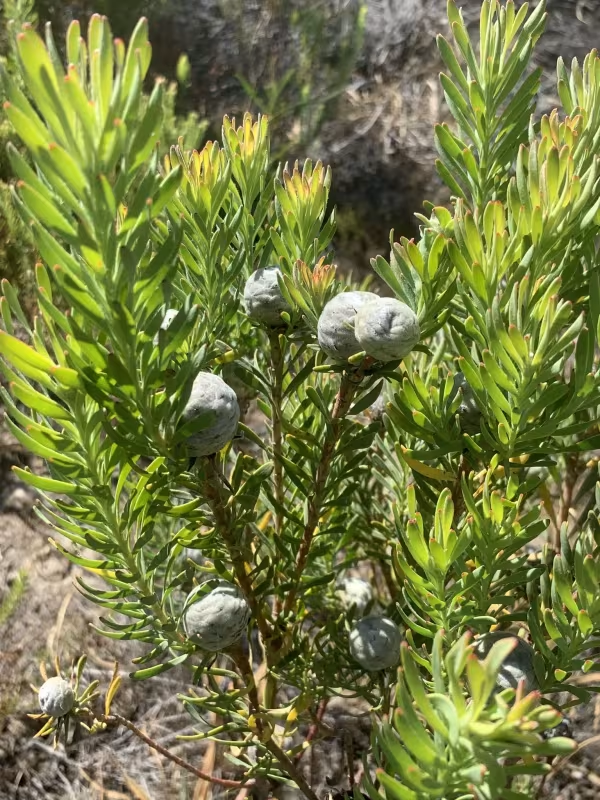
Description
Growing requirements
Leucadendron linifolium is a distinctive shrub belonging to the Proteaceae family, native to the Western Cape of South Africa. It is highly adapted to fynbos biomes, characterized by nutrient-poor, acidic, and well-drained soils.
The plant possesses specialized cluster roots, known as proteoid roots, which maximize the uptake of nutrients in highly impoverished soils. Consequently, standard commercial fertilizers, particularly those rich in phosphorus, are toxic to this species.
Environmental conditions require a Mediterranean climate with mild, wet winters and warm, dry summers. High light intensity is essential to ensure the development of the characteristic colorful bracts that cover the inflorescence.
Drainage is the most critical factor in successful cultivation. Any stagnant water around the root zone leads to the rapid onset of fungal pathogens, specifically Phytophthora, which is the primary cause of mortality in commercial plantations.
In terms of agricultural management, weed control should be conducted manually or through mulch application. The use of heavy mechanical tillage is discouraged as it damages the sensitive, shallow root system characteristic of this genus.
Main diseases and pests
The primary threats to Leucadendron linifolium are root pathogens, specifically Phytophthora cinnamomi. This soil-borne oomycete spreads rapidly in water-logged soils and can devastate entire plantations if prophylactic measures are not taken.
Insect pests include various types of scale insects and mealybugs that congregate on the stems and leaf axils. Regular monitoring and the application of integrated pest management (IPM) strategies are vital for maintaining the aesthetic value of the stems.
Botrytis cinerea (grey mold) poses a threat during periods of high humidity and poor ventilation. Keeping the canopy open through proper spacing and light pruning helps to facilitate airflow and mitigate the risk of fungal outbreaks.
In certain regions, aphids may also damage tender new growth during the spring flush. While not always lethal, their feeding causes deformities in the foliage, rendering the stems unsuitable for the premium cut flower market.
Environmental stress, such as extreme heat waves combined with lack of soil moisture, can cause leaf scorch and premature drop. Maintaining consistent irrigation regimes based on evaporation rates is the best defense against these physiological stresses.
Harvesting
Leucadendron linifolium is primarily cultivated for the high-end cut flower industry. The stems are valued for their structural elegance and the longevity of their colorful bracts, which can last for weeks in a vase.
Harvesting is performed by hand when the bracts have reached their full color intensity but before the true flowers are fully open. Professional harvesting practices involve using sterilized tools to prevent the spread of diseases.
Post-harvest treatment requires immediate rehydration in acidified water to ensure the stems remain turgid during storage. Sorting is based on stem length, diameter, and the uniformity of the color of the bracts.
Cold chain management is essential for export-grade flowers. Maintaining temperatures between 2 and 4 degrees Celsius significantly extends the shelf life and ensures the quality required by high-end international markets.
Proper pruning after the harvest season is mandatory to ensure structural integrity and to promote vigorous regrowth. This balance between harvesting and maintenance defines the long-term profitability of the plantation.