
Silver tree
Leucadendron argenteum
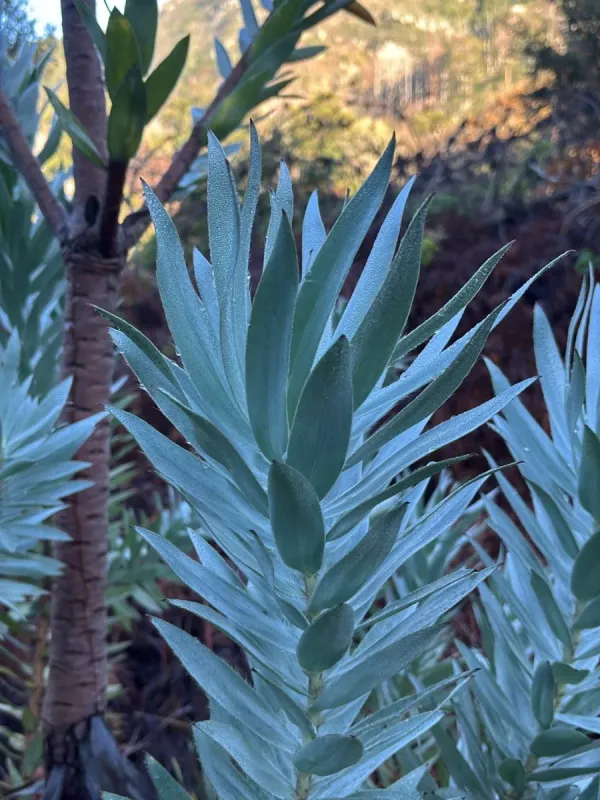
Description
Sowing dates
Seeds of Leucadendron argenteum have low natural germination rates, necessitating special stratification techniques in agricultural practice. Sowing is typically performed in late winter or early spring using a loose, well-draining substrate with low phosphorus content.
An essential condition for successful germination is the simulation of natural fires, which release seeds in their native habitat. Growers often use brief heat exposure or chemical stimulants to trigger the germination process effectively.
The growing medium must be acidic and nutrient-poor, as the plant is highly sensitive to excessive fertilization. Seedlings exhibit slow initial growth rates, requiring careful protection from temperature fluctuations during their first year.
In large-scale operations, controlled greenhouse environments are preferred to regulate moisture and temperature levels precisely. This approach ensures optimal conditions for the early development of the root system.
Transplanting should only occur when the seedlings have reached sufficient height and established a robust root system. Planting in open soil is reserved for periods after all risks of frost have passed completely.
Growing requirements
Leucadendron argenteum belongs to the Proteaceae family and is native to the unique ecosystem of the Cape region in South Africa. The plant has strict soil requirements, favoring sandy, acidic, and rocky soils with excellent drainage capacity.
The ideal climate for this species reflects the Mediterranean pattern, characterized by cool, wet winters and warm, dry summers. High humidity combined with low temperatures is hazardous and frequently induces fungal outbreaks.
This species is highly photophilic, requiring maximum exposure to direct sunlight throughout the entire growing season. Insufficient light results in elongated stems and the loss of the characteristic silver foliage coloration.
Watering management is based on moderation, ensuring the substrate dries out between sessions. Over-irrigation is the primary cause of root rot, as the plant has evolved to withstand periodic drought conditions.
The plant reacts negatively to phosphorus-rich fertilizers due to its evolutionary adaptation to nutrient-deficient soils. Fertilization programs must be specialized and strictly limited to prevent chemical stress.
Yield
The commercial use of Leucadendron argenteum is focused on the decorative horticulture and floriculture sectors. It is highly valued for its striking leaves, which are covered in silky silver hairs, providing an exquisite aesthetic appeal.
In commercial floral production, yield is measured by the number of harvestable stems suitable for bouquet composition. Consistent quality requires regular sanitary and formative pruning to stimulate the growth of lateral branches.
Cut branches of Leucadendron exhibit excellent vase life, often lasting two to three weeks, making them a premium component for exotic floral arrangements. The foliage is also frequently used in dried decorative displays.
Commercial output depends heavily on strict adherence to technical standards during the first three years of cultivation. Full-scale plantation productivity is typically achieved by the fourth or fifth year after planting.
Currently, the silver tree remains a niche product in the global floral market due to its propagation complexity and specific environmental requirements, which limits mass production.
Main diseases and pests
The primary threat to Leucadendron is root rot caused by pathogenic fungi of the Phytophthora genus. These develop rapidly under conditions of excessive moisture and poor drainage, often resulting in total plant mortality.
In closed environments with poor ventilation, the plant is susceptible to powdery mildew. Mitigation strategies involve optimizing air circulation and applying targeted fungicides during early infection stages.
Leaf-eating insects and aphids can cause mechanical damage to young shoots. Regular monitoring of the foliage allows for the timely identification of pest hotspots and effective local containment measures.
Poor soil aeration and high water tables act as critical risk factors for the crop. Any deviation from standard agronomic protocols significantly weakens the plant, increasing its vulnerability to secondary infections.
Disease prevention is centered on using high-quality planting material and maintaining strict phytosanitary standards. Mulching serves as an effective tool to regulate soil temperature and minimize surface infection risks.
Harvesting
Harvesting Leucadendron argenteum branches is performed manually using sharp, sterilized horticultural tools. The optimal time for harvesting is early morning when the plant tissue is fully turgid.
It is crucial to retain sufficient foliage on the mother plant after harvesting to ensure continued photosynthetic activity. Excessive pruning can severely inhibit the plant's vigor for the subsequent season.
Stems must be placed in water immediately or moved to a climate-controlled storage facility. Maintaining the cold chain post-harvest is a mandatory requirement for preserving the plant's decorative appearance.
Sorting by stem length and foliage density constitutes a vital step in pre-sale preparation. Handling must be delicate to avoid damaging the silver hairs, which define the product's market value.
The harvest season varies depending on the geographic location of the nursery and the agricultural technologies employed. Greenhouse facilities may achieve two harvests per year under controlled conditions.