
Leucadendron ericifolium
Leucadendron ericifolium
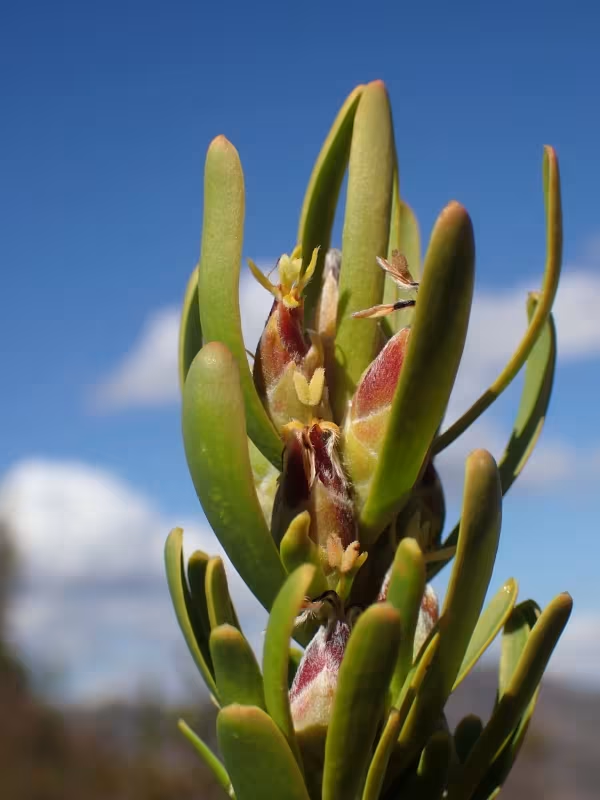
Description
Growing requirements
Leucadendron ericifolium belongs to the Proteaceae family, a group of woody plants well-known for their unique structural features. It is a slow-growing evergreen shrub endemic to the Western Cape of South Africa.
The cultivation of this crop requires highly specific soil conditions, characterized by acidic pH levels and excellent drainage. It thrives in nutrient-poor sandy soils and is particularly intolerant of phosphorus-rich fertilizers.
Regarding climate, the plant prefers Mediterranean-type conditions with dry summers and wet, mild winters. Sufficient sunlight is crucial for the development of the characteristic bracts that provide the plant's ornamental value.
Agronomic management involves careful irrigation, as the root system is highly sensitive to waterlogging. It is essential to ensure that the area of cultivation allows for good air circulation to mitigate humidity-related issues.
In terms of commercial usage, Leucadendron ericifolium is primarily grown for the floral industry. Its durable foliage and long-lasting bracts make it a premium choice for professional cut-flower arrangements worldwide.
Main diseases and pests
The most significant threat to Leucadendron species is root rot caused by Phytophthora pathogens, which can decimate an entire crop in poorly drained soils.
Insect pests, including mealybugs and scale insects, often colonize the stems and leaves, extracting plant sap and leading to reduced foliage quality and overall vigor.
Effective pest management relies heavily on integrated practices, including maintaining soil health and strict sanitation protocols to prevent the spread of infectious agents.
Growers should exercise caution when applying chemical controls, as Proteaceae are known to be sensitive to certain pesticides that could result in foliage damage.
Regular visual inspections of the terminal growth points are recommended to detect early signs of infestation and prevent secondary fungal infections from setting in.