
Leucadendron laxum
Leucadendron laxum
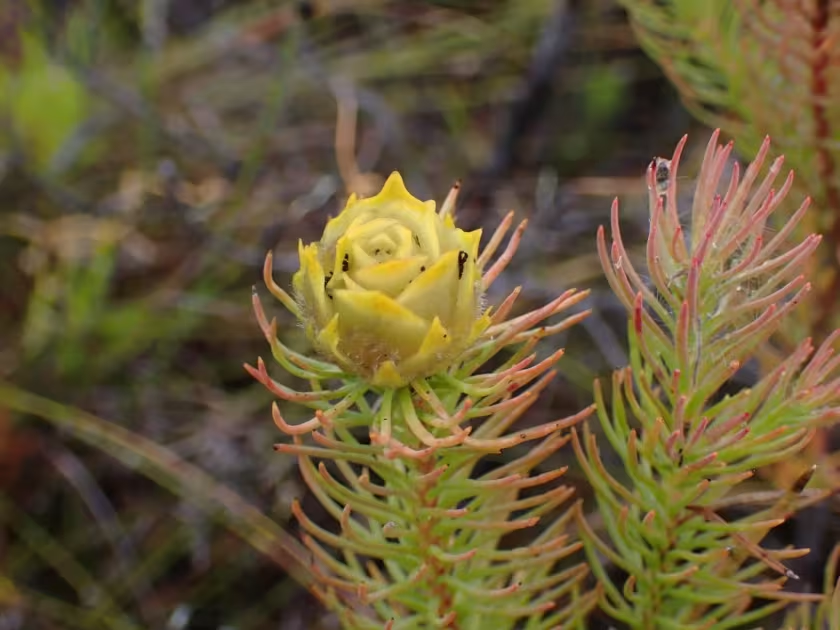
Description
Sowing dates
Propagation of Leucadendron laxum is primarily achieved through seeds or semi-hardwood cuttings. Seeds require specific pre-treatment that mimics the fire cycles typical of their native South African habitat to trigger germination successfully.
Sowing should be performed in a well-draining, sandy substrate that is exceptionally low in phosphorus, as this element can be lethal to the protea family. Late autumn or early winter is the preferred time for sowing to ensure seedlings establish well before the spring growth flush.
For cuttings, the use of professional rooting hormones is essential due to the species' low natural rooting capability. Cuttings are best placed in sterile perlite or a sand-peat mixture to ensure optimal aeration for the developing root system.
Temperature control during the germination and rooting phase is critical, with a range of 15 to 20 degrees Celsius being ideal. Avoiding sudden temperature fluctuations prevents physiological stress that could compromise the development of young plants.
Once seedlings develop true leaves, they should be carefully pricked out into individual containers with large drainage holes. Waterlogging at this stage is a major risk factor, often leading to rapid root rot and total plant loss.
Growing requirements
Leucadendron laxum is a specialized member of the Proteaceae family, endemic to the Western Cape region of South Africa. The plant is adapted to nutrient-poor, acidic, sandy soils, which dictates the specific requirements for its cultivation.
High light intensity is essential for the healthy development of this species. It requires maximum sun exposure throughout the growing season to ensure proper wood maturation and the development of vibrant, high-quality bracts.
Climatic requirements mirror a Mediterranean environment with cool, wet winters and warm, dry summers. The species has low tolerance for frost below -5 degrees Celsius, making greenhouse or conservatory cultivation necessary in temperate climates.
Irrigation must be carried out with soft, acidified water, as calcium-rich water leads to rapid chlorosis and leaf necrosis. The substrate should be kept consistently moist but never waterlogged; high air circulation is vital to prevent root zone hypoxia.
Proper ventilation is mandatory, especially in closed growing systems, to prevent the buildup of moisture around the foliage. This reduces the risk of fungal outbreaks and promotes the hardening of stems, which is crucial for overall plant vigor.
Yield
The yield of Leucadendron laxum is measured by the quantity and standard of decorative bracts harvested for the floral market. Productivity is heavily reliant on precise pruning techniques performed immediately after the flowering cycle ends.
Commercial harvesting typically begins in the third to fourth year after planting. Strategic pruning encourages the development of lateral shoots, which significantly increases the number of flower-bearing stems in subsequent seasons.
Harvesting should occur when the bracts have reached full coloration and possess a firm texture. Utilizing sharp, sterilized tools is necessary to prevent tissue damage and avoid introducing pathogens into the main plant structure.
Cut stems exhibit excellent vase life if processed correctly using clean water and appropriate floral preservatives. Proper post-harvest handling, including cool chain maintenance, is vital to ensure the quality remains high during transport.
In commercial plantations, a typical density is between 2,000 and 3,500 plants per hectare. While yield is influenced by fertility, excessive fertilization is counterproductive, as the species is highly sensitive to standard agricultural mineral feeds.
Main diseases and pests
Phytophthora root rot is the most serious threat to this species, usually caused by improper drainage or contaminated substrates. Prevention through strict hygiene and optimal irrigation management is far more effective than any chemical treatment.
Mealybugs and spider mites are common pests that thrive in dry air and low-ventilation environments. Regular inspections of the underside of the leaves are essential for identifying infestations before they become unmanageable.
Aphids can target young, tender growth tips, causing significant deformation of the stems. If treatment is required, only non-aggressive, eco-friendly soaps or biological control agents should be utilized to avoid leaf scorch.
Fungal leaf spots occur under conditions of stagnant air and high humidity. Proactive removal of affected plant material and improving air circulation are standard practices to curb the spread of infection throughout the planting.
Physiological chlorosis, often caused by iron or magnesium deficiencies due to pH imbalance, is a common issue. Regular soil testing and the application of chelated micronutrients help maintain the aesthetic health of the foliage throughout the year.