
Leucadendron plumosum
Leucadendron plumosum
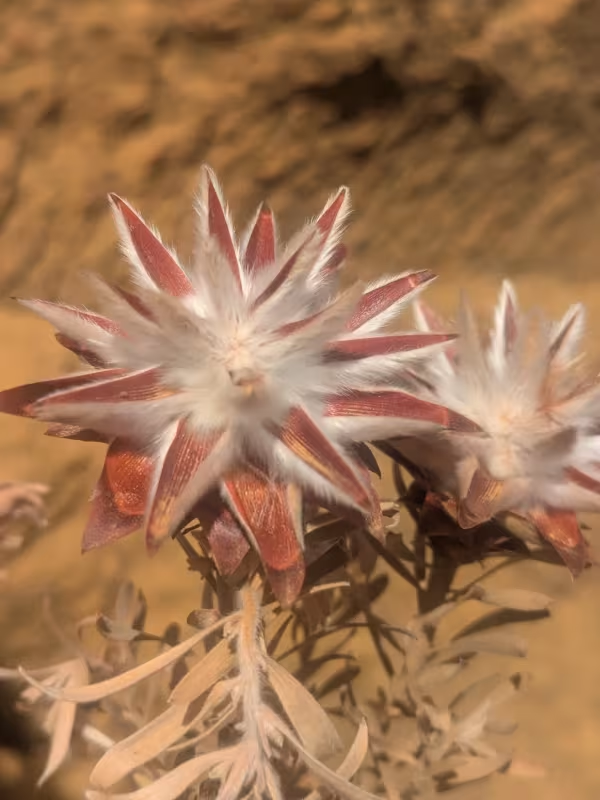
Description
Sowing dates
Seeds of Leucadendron plumosum are typically sown in autumn or early spring when temperatures are optimal for germination. In nursery settings, seeds often require scarification or smoke treatment to mimic the natural post-fire environment, which is characteristic of their native South African habitats.
Sowing should be performed in a specialized, low-acidity substrate with high sand content. It is essential to ensure excellent drainage, as waterlogging is lethal to seedlings of the Proteaceae family. Containers are placed in well-lit areas with consistent ventilation to encourage healthy root development.
Germination is often uneven and may span several weeks or even months. During this phase, maintaining constant moisture without saturation is critical. Once the first true leaves emerge, seedlings are pricked out into individual containers to prevent root competition.
Transplanting to the field or larger pots must be done with extreme caution only after the plants have established a significant root mass. Because Leucadendrons are highly sensitive to root disturbance, any manipulation of the root system can jeopardize the plant's survival.
An ideal temperature range for active seedling growth is between 15 and 22 degrees Celsius. In higher temperatures, shade cloth must be provided to prevent overheating, which can lead to wilting and the rapid collapse of delicate young shoots.
Growing requirements
Leucadendron plumosum is a perennial evergreen shrub belonging to the Proteaceae family, native to South Africa. It has specific environmental needs, requiring abundant direct sunlight and superior air circulation to thrive throughout the year.
The plant prefers acidic, nutrient-poor soils with excellent drainage properties. Heavy or clay-rich soils are entirely unsuitable, as they facilitate the development of root rot, a common fungal pathogen that the plant is particularly susceptible to in poorly aerated environments.
Irrigation should be moderate, utilizing soft, low-salinity water. While regular watering is necessary during the active summer growing season, it must be significantly reduced in winter, allowing the soil to dry out between waterings to mimic Mediterranean climate cycles.
The plant is intolerant of hard frosts and gale-force winds, making greenhouse or container cultivation necessary in temperate zones. Humidity levels should be kept moderate, as stagnant, overly humid air promotes the onset of various foliage infections.
Fertilizer application requires extreme care; only specialized, low-phosphorus formulas intended for Proteaceae should be used. The plants react negatively to excess mineral salts, which can lead to quick root burn and systemic toxicity.
Yield
The yield of Leucadendron plumosum is measured by the number of high-quality flowering stems produced by a single mature bush annually. In commercial plantations, a healthy mature shrub can yield between 20 and 50 stems, depending on pruning precision and plant age.
Productivity is primarily determined by stem length and the density of the colorful bracts, which are highly valued in the international floral industry. Strategic formative pruning is crucial to stimulate lateral branching and maximize the harvest potential for the following season.
A well-maintained plantation can remain productive for 10 to 15 years before the shrubs lose their ornamental value or decline in vigor. After this period, plant health typically diminishes, requiring site renewal with new, high-quality nursery stock.
To maximize yields, planting density must be carefully managed to ensure optimal light penetration to the inner canopy, which directly influences the color intensity of the bracts. High light exposure is a fundamental factor for achieving premium commercial quality.
Ongoing breeding efforts are focused on developing cultivars with extended blooming windows and enhanced tolerance to post-harvest shipping. Modern agronomic practices allow producers to leverage the plant's full potential in protected environmental conditions.
Main diseases and pests
Root rot, specifically caused by Phytophthora species, is the primary threat to Leucadendron plumosum, usually resulting from inadequate drainage or excessive soil moisture. This disease is rapid and often fatal, leaving little room for remedial action.
Common pests such as mealybugs and spider mites may infest the foliage, particularly in greenhouse conditions where humidity is low. Regular monitoring and the application of integrated pest management (IPM) strategies are essential to keep infestation levels under control.
Fungal leaf spots can also pose a risk during periods of high atmospheric moisture. Prevention requires strict sanitation in the greenhouse, such as the prompt removal of fallen leaves and the maintenance of active, continuous airflow around the plants.
Nutrient deficiencies, particularly iron or magnesium, caused by incorrect soil pH levels, often lead to chlorosis. This condition weakens the plant's immune system, making it far more vulnerable to secondary infections and environmental stressors.
Introducing uncertified plant material can lead to the spread of viral diseases, for which there are no known cures. Establishing strict quarantine protocols and sourcing only certified healthy saplings are critical steps for any commercial grower.
Harvesting
The harvest is conducted when the flowering bracts reach their typical size and expected coloration. Stems are cut using sharp, sterilized shears, leaving enough foliage on the base of the plant to support photosynthesis and future plant recovery.
It is vital to harvest in the cool, early morning hours when the stems have maximum turgor. After cutting, stems should be moved immediately into a cool, shaded environment to prevent dehydration and ensure long-lasting quality for the final customer.
Post-harvest grading involves sorting stems by length and the aesthetic quality of the bracts. This standardization is essential for efficient distribution through flower auctions and wholesale markets where precise quality grades are strictly maintained.
Transport logistics require vertical containers to prevent damage during shipping. Leucadendron is renowned for its exceptional durability and longevity in a vase, which has established it as a premium product in global floriculture trade.
Following the harvest season, sanitary pruning is required to remove spent flower stalks and any damaged foliage. This practice helps the plant redirect energy toward next year's growth and effectively minimizes the risk of pathogen buildup on the plantation.