
Leucadendron platyspermum
Leucadendron platyspermum
Description
Growing requirements
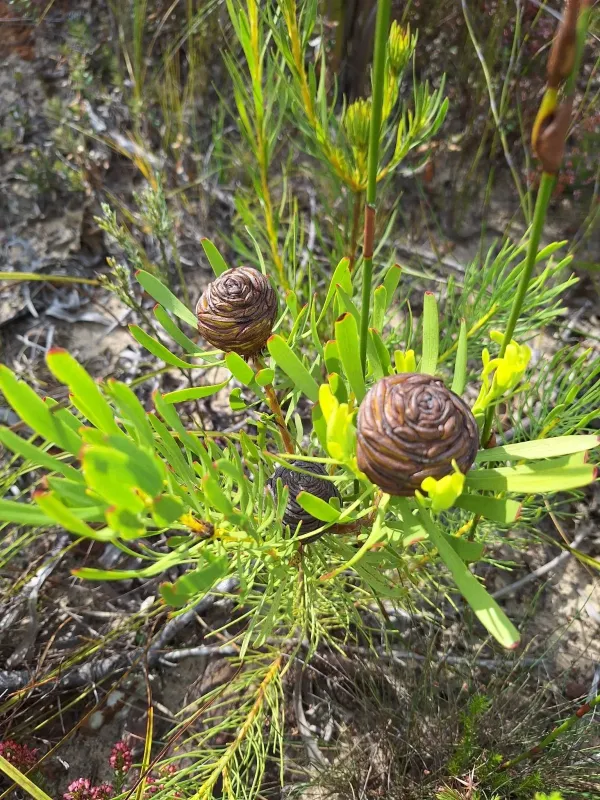
Leucadendron platyspermum is a distinct species belonging to the Proteaceae family, widely recognized for its architectural beauty in the global floral trade.
Native to South Africa, it has evolved in nutrient-poor, well-draining sandy soils, which dictates the specific requirements for its cultivation in agricultural settings.
Success in farming this plant relies on maintaining an acidic soil environment, typically ranging between pH 5.0 and 6.0, to prevent nutrient lockout and deficiencies.
The plant requires a high-light environment and consistent airflow, as stagnant conditions can lead to rapid physiological decline and foliage spotting.
Effective irrigation management is paramount; the root system is extremely sensitive to waterlogging, necessitating excellent drainage and a preventative approach to overwatering.
Main diseases and pests
Root rot caused by Phytophthora species is the primary agricultural threat, often resulting in total plant loss if drainage is not managed correctly.
Insect pests, including scale insects and mites, frequently infest the plants, necessitating vigilant monitoring to ensure the marketability of the cut stems.
Fungal issues like powdery mildew can emerge in greenhouse conditions if humidity levels are not controlled and vertical air movement is insufficient.
Implementing a strict hygiene protocol in the nursery, including the use of sterilized media and tools, is essential for minimizing disease transmission.
Regular field scouting allows for early detection of potential outbreaks, enabling localized and efficient management strategies without broad-spectrum chemical use.
Harvesting
The harvest cycle is dictated by the color development of the bracts; producers must identify the optimal maturity stage to ensure long vase life.
Stems are manually harvested using sanitized tools, ensuring clean cuts that promote faster recovery and prevent the entry of decay-causing microorganisms.
Immediately after harvest, stems are moved into a temperature-controlled environment to stabilize the plant's metabolism and reduce transpiration stress.
Sorting and grading are performed based on stem length, foliage quality, and bract symmetry to meet the stringent requirements of wholesale floral markets.
Post-harvest conditioning includes the use of hydration solutions to ensure maximum longevity, allowing the product to withstand long-distance shipping.