
Leucadendron nervosum
Leucadendron nervosum
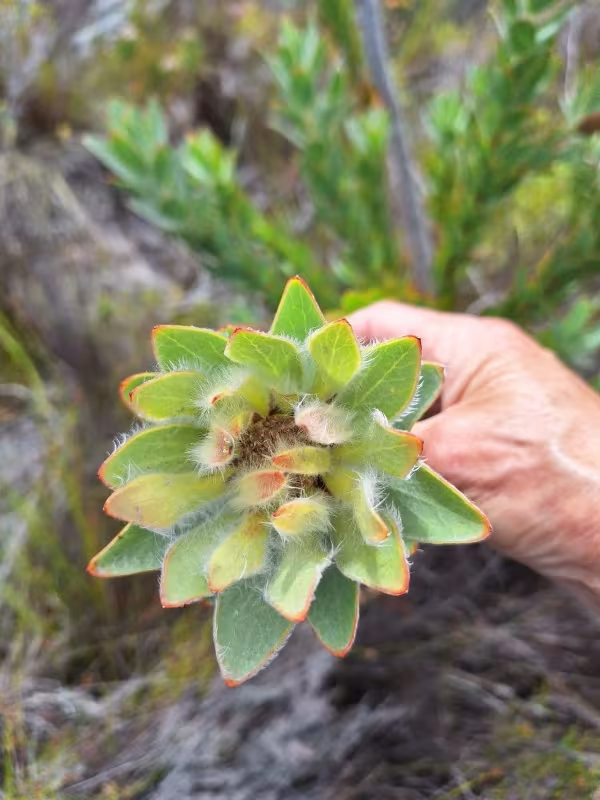
Description
Growing requirements
Leucadendron nervosum, a member of the Proteaceae family, is an evergreen shrub native to South Africa. It is highly valued for its striking floral bracts and requires specific ecological conditions that mimic its natural habitat, which typically consists of nutrient-poor, well-draining sandy soils.
To ensure optimal development, the plant requires full sun exposure throughout the year. It thrives in locations with excellent airflow and is particularly sensitive to soil chemistry, specifically requiring a growing medium with low phosphorus levels to avoid nutrient toxicity, which is a common issue in this family.
Climatic requirements are strict: the plant is not frost-tolerant and prefers Mediterranean-style conditions with mild, moist winters and dry, warm summers. In regions experiencing freezing temperatures, cultivators must use greenhouses or containers to protect the root system from cold damage and excess moisture accumulation.
Agronomic management involves careful irrigation, as the root system is highly susceptible to rot if water persists in the substrate. Farmers utilize specialized drainage layers and strictly controlled watering schedules to maintain the health of the plant during its vegetative growth stages.
The primary use of Leucadendron nervosum is as a high-value commercial cut flower. Its foliage and bracts exhibit exceptional vase life, making them popular in luxury floristry. Proper harvest timing and post-harvest handling are essential to maintain the structural integrity and aesthetic appeal of the stems for the global market.
Main diseases and pests
The most severe threats to Leucadendron nervosum are soil-borne pathogens, particularly Phytophthora root rot. Because the root system is sensitive to waterlogging, even short periods of poor drainage can lead to systemic infections that kill the shrub within a short time frame.
Pest management often focuses on common greenhouse invaders such as scale insects and spider mites. These pests thrive when the plant is stressed by improper environmental conditions. Integrated pest management, including regular sanitation and targeted biological control, is recommended for sustainable production.