
Leucadendron loranthifolium
Leucadendron loranthifolium
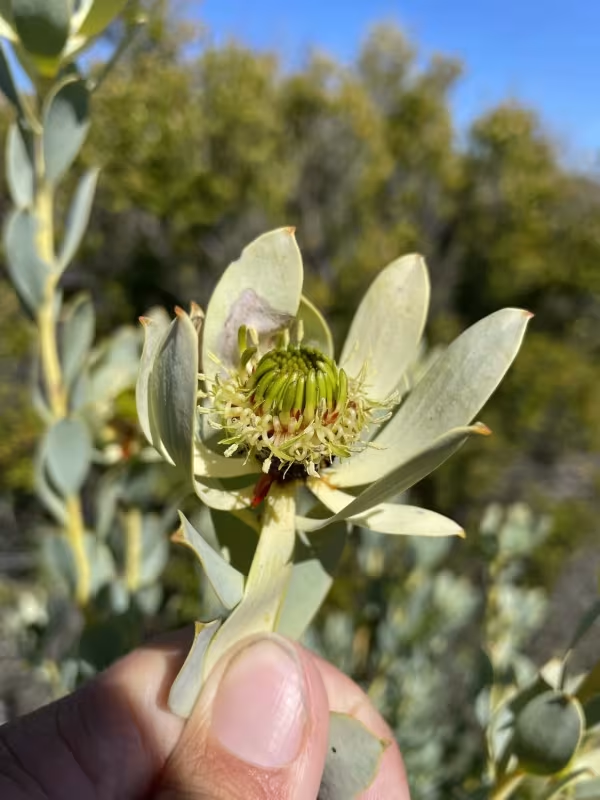
Description
Sowing dates
Leucadendron loranthifolium is a distinctive shrub belonging to the Proteaceae family, widely recognized for its high value as a decorative crop in the global floriculture trade.
Commercial propagation is typically achieved through seed sowing in specialized, low-nutrient, and highly aerated sandy substrates to mirror native South African conditions.
Seeds often require specific pre-sowing treatments, including heat-based methods or smoke-water stimulation, to overcome dormancy and ensure uniform germination rates.
The sowing process is conducted during the spring season under controlled greenhouse conditions where soil temperature stability is strictly maintained.
Young seedlings require careful handling of their sensitive root systems, particularly during the transplanting phase, to prevent any shock or root damage.
Growing requirements
The crop demands acidic, well-draining soils with extremely low phosphorus content, as plants in the Proteaceae family are highly susceptible to phosphorus toxicity.
Full sun exposure is essential for the development of healthy, vibrantly colored bracts, which are the primary economic component of the plant.
Climate requirements include mild winters with no frost exposure; in colder regions, cultivation must be confined to greenhouses to prevent plant death.
Water management is critical; the substrate must dry out slightly between watering cycles to prevent root rot, a common fatal condition in this species.
Good air circulation is vital in greenhouse environments to discourage fungal development and manage ambient humidity levels effectively.
Main diseases and pests
The primary pathogenic threat to the species is Phytophthora, a soil-borne fungus that causes rapid wilting and systemic root failure.
Pests such as mealybugs and spider mites are frequent nuisances, particularly in high-humidity or poorly ventilated indoor growing environments.
Fungal leaf spot diseases may appear if foliage remains wet for extended periods, necessitating careful irrigation practices that avoid wetting the leaves directly.
Inappropriate use of high-phosphorus fertilizers can cause severe leaf necrosis and overall decline in plant vigor, leading to susceptibility to secondary infections.
Integrated pest management, including routine scouting and the use of targeted biological or chemical controls, is required to maintain a healthy and productive crop.
Harvesting
Harvesting is performed when the bracts reach their peak coloration and structural maturity, ensuring long vase life for the final consumer.
Stems are harvested using sanitized pruning tools, leaving behind healthy buds to ensure subsequent vegetative growth for the following season.
Post-harvest handling involves careful sorting, grading by stem length, and immediate cooling to preserve the turgidity of the leaves and bracts.
Stems are often treated with specialized floral preservatives to optimize hydration and maintain quality during the logistical transport phase.
Leucadendron loranthifolium is highly prized for its durability, as the stems remain attractive even after the drying process, making them ideal for long-lasting arrangements.