
Leucadendron gandogerii x spissifolium
Leucadendron gandogerii x spissifolium
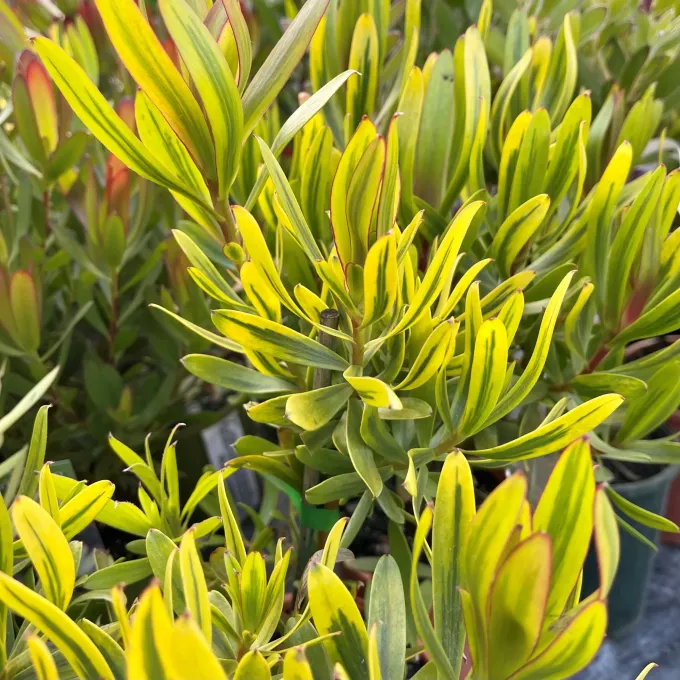
Description
Growing requirements
Leucadendron gandogerii x spissifolium is a striking hybrid belonging to the Proteaceae family, widely recognized for its unique architectural form and vibrant bracts.
The plant thrives in Mediterranean-type climates, requiring mild winters and protection from severe frost to maintain its structural integrity and health.
Cultivation success relies on well-draining, acidic, and nutrient-poor soils; these plants are highly sensitive to high levels of phosphorus, which can be toxic.
Full sun exposure is essential for this species to develop its characteristic color and sturdy stem structure needed for high-quality commercial floral production.
As an agricultural crop, it is primarily managed for cut-flower markets, where the durability and longevity of the stems are highly valued by professional florists.
Main diseases and pests
Root rot caused by Phytophthora species is the most severe threat to Leucadendron crops, especially when irrigation management leads to waterlogged soil conditions.
Pests such as mealybugs and scale insects pose significant challenges by feeding on the sap, which stunts growth and reduces the aesthetic value of the stems.
Maintaining the correct soil pH is critical, as improper levels can lead to chlorosis, which compromises the plant's natural defenses against various pathogens.
Integrated pest management strategies focusing on hygiene, such as removing debris and ensuring air circulation, are vital to preventing disease outbreaks.
Regular monitoring of soil moisture and plant foliage allows growers to catch symptoms of infestation or infection early before they spread throughout the field.