
Leucadendron gandogerii
Leucadendron gandogerii
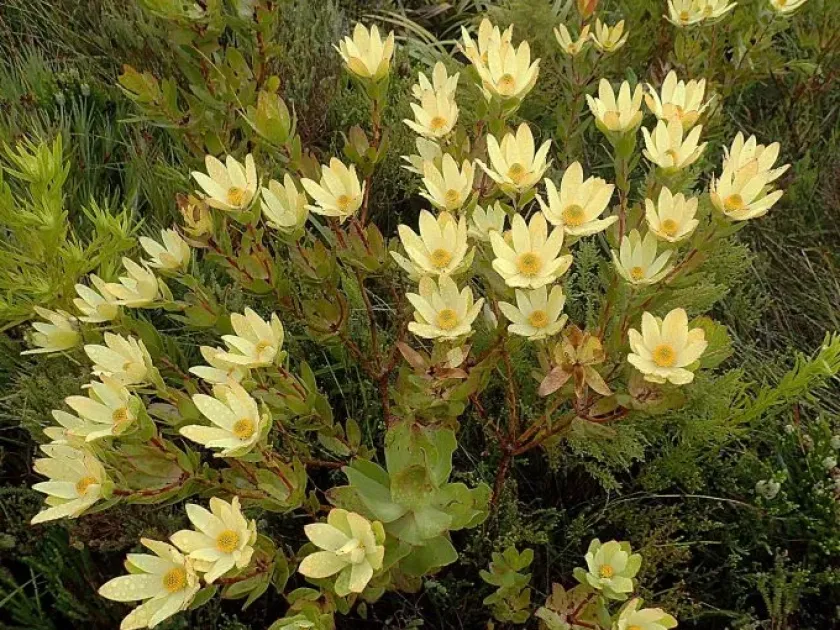
Description
Sowing dates
Leucadendron gandogerii is a distinct member of the Proteaceae family, native to the fynbos biome of South Africa. As a crop, it is highly valued for its striking architectural foliage and durable, colorful bracts that make it a favorite in high-end floral design.
Propagation is primarily achieved through stem cuttings rather than seeds. Cuttings are taken from healthy, disease-free mother plants during the dormant phase to ensure optimal rooting success and genetic uniformity.
The rooting process requires a well-aerated, low-nutrient medium such as a mix of perlite and peat or specialized rooting sands. Maintaining high humidity and steady bottom heat is essential for developing a strong, functional root system.
Once rooted, the seedlings are transplanted into pots or directly into the field, depending on the climatic conditions. The nursery stage is critical, requiring close monitoring to prevent stress during the transition from the propagation environment to the field.
Careful selection of the planting material is vital, as the culture is sensitive to environmental stressors. Proper hardening off before transplantation ensures the survival and subsequent vigor of the young plants in the field.
Growing requirements
The primary requirement for Leucadendron gandogerii is soil that is acidic, sandy, and exceptionally well-draining. These plants are evolved to thrive in nutrient-poor soils, and excessive fertilization—especially with phosphorus—is often fatal to the roots.
Climate management focuses on providing a Mediterranean-type environment with cool, wet winters and warm, dry summers. The plant is sensitive to both extreme frost and high humidity levels during the peak of summer.
Light intensity is another critical factor. Leucadendron requires full sun to develop its intense coloration. In shaded environments, the stems become elongated and weak, significantly reducing the commercial value of the harvested product.
Watering must be precise, as the plants cannot tolerate "wet feet." Irrigation systems should be designed to deliver water directly to the base of the plant, avoiding leaf wetness which can encourage fungal development.
Mulching is highly recommended to keep the root zone cool and retain consistent moisture levels. Organic mulches should be used sparingly to avoid soil acidification or nutrient imbalances that could harm the root system.
Main diseases and pests
Phytophthora root rot remains the most devastating threat to Leucadendron plantations. Because it is soil-borne and extremely difficult to control once established, prevention through strict drainage management and disease-free nursery stock is paramount.
Pests such as mealybugs and spider mites can infest the foliage, particularly under stressed conditions. These pests not only weaken the plant but also significantly lower the visual quality of the bracts, making the crop unsalable.
Botrytis, or grey mold, is a common problem in humid climates or poorly ventilated greenhouses. Regular sanitation, including the removal of dead or dying plant parts, is an essential preventative measure.
Integrated Pest Management (IPM) strategies are essential for commercial production. Using biological controls and selective, low-toxicity pesticides helps manage pest populations without damaging the plant's delicate root system.
Regular monitoring for symptoms of disease or nutrient deficiencies allows for early intervention. Proactive care ensures that the plantation remains productive and healthy throughout its economic lifespan.
Harvesting
Harvesting is performed when the bracts are fully developed and have reached their target color intensity. Timing is critical to ensure a long vase life and optimal customer satisfaction in the floral industry.
Stems are cut with sharp, sterilized tools at an angle to allow for maximum water uptake. Immediate placement into a hydration solution is mandatory to prevent the stems from experiencing water stress after the cut.
Post-harvest handling involves cooling the stems quickly to between 5 and 8 degrees Celsius. This temperature reduction slows the metabolic processes and preserves the freshness of the colorful bracts during storage and shipping.
Packing and grading are conducted based on strict quality standards, where stem length, bract density, and freedom from blemishes are evaluated. Uniformity in grading is essential for market acceptance at flower auctions.
Transportation logistics must prioritize keeping the flowers upright and protected from mechanical injury. Proper packaging ensures that the Leucadendron maintains its architectural shape and aesthetic appeal upon reaching the final destination.