
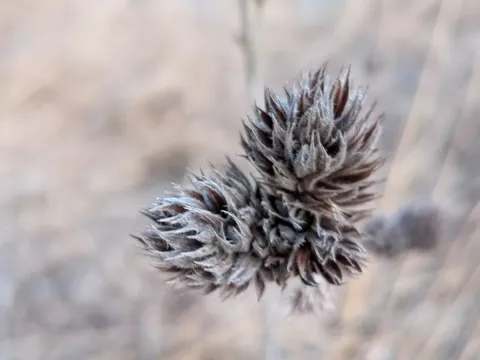
Lespedeza
Lespedeza Michx.
Planting Lespedeza is ideally performed in the spring when soil temperatures consistently reach 10–12°C. Early establishment is crucial for the crop to develop a robust root system before the summer heat.
What the section contains


Lespedeza
Since Lespedeza seeds often have a hard seed coat, scarification is highly recommended to improve germination rates. This simple process allows moisture to penetrate the seed more effectively, leading to uniform emergence.
The seeding rate typically ranges from 10 to 15 kg per hectare for standard forage production. If the primary goal is seed multiplication, wider row spacing of 45–60 cm is preferred to facilitate better crop management.
Inoculation with specific rhizobia bacteria strains is essential for optimal nitrogen fixation. This process not only improves crop performance but also enhances the long-term fertility of the soil for subsequent crops.
After seeding, firming the soil with a roller is a critical step. This ensures optimal seed-to-soil contact, which is vital for preventing the seeds from drying out before they germinate.
Lespedeza thrives in full sun and is highly sensitive to competition from weeds during the seedling stage. Site selection should prioritize well-lit, open areas with minimal shading from other vegetation.
One of the most notable features of this crop is its ability to grow in acidic and nutrient-poor soils where other legumes might struggle. It shows remarkable tolerance to soil pH levels as low as 5.0–5.5.
The crop is highly drought-tolerant, making it an excellent choice for areas with unpredictable rainfall. Its deep root system allows it to access moisture even in challenging soil conditions.
Well-drained, sandy loam soils are ideal for Lespedeza. Proper soil aeration is necessary to support the nitrogen-fixing bacteria that live in the root nodules of the plant.
While the plant is hardy, it is important to avoid locations prone to standing water or prolonged saturation. Poor drainage can lead to root rot and significant stand losses during the dormant season.
Forage yield for Lespedeza typically ranges between 15 and 25 tonnes of green matter per hectare, depending on soil quality and the moisture levels during the active growth phase.
When harvested for hay, farmers can expect a dry matter yield of 4–7 tonnes per hectare. Timely fertilization with phosphorus and potassium can significantly boost these production figures.
Seed production yields are generally between 300 and 600 kg per hectare. Because seeds are prone to shattering, farmers must monitor the crop closely and harvest immediately upon reaching maturity.
The economic value of Lespedeza is enhanced by its role as a soil improver. Following the cultivation cycle, the increase in residual nitrogen allows for significant cost savings on fertilizer for the next crop in the rotation.
Sustainable management involves rotating usage between haying and grazing. This practice preserves the plant's health and ensures consistent productivity over several years without stand degradation.
Lespedeza is relatively resistant to many diseases, though powdery mildew can occur during periods of high humidity and poor airflow. Managing density is key to reducing fungal risks.
Anthracnose is another potential issue that can affect stems and leaves. Using resistant cultivars and maintaining a clean rotation schedule helps to keep the incidence of this disease low.
Weevils are among the most common insect pests, capable of damaging young shoots and reducing the overall stand density. Early scouting is essential to determine if intervention is needed.
Nematodes can occasionally pose a threat in certain soil types, particularly in regions with repeated monoculture. Rotating with non-host crops is the most effective biological management strategy.
Preventative measures, such as avoiding overly dense plantings and ensuring proper field hygiene, are generally sufficient to keep disease and pest levels below the economic threshold.
For high-quality forage, the best time to harvest is at the start of the blooming phase. At this stage, the plant has an optimal balance of protein and digestible fiber.
Rapid drying of the cut material is necessary to maintain the nutrient content, particularly the leaves, which are the most valuable part of the plant for livestock feed.
Seed harvesting should be performed using a two-stage process: swathing when the pods begin to brown, followed by threshing a few days later. This method minimizes harvest losses significantly.
Post-harvest, seeds should be cleaned and stored in dry, cool conditions to maintain viability. Proper moisture control is critical to prevent the growth of molds during storage.
Farmers should avoid mowing too late in the autumn to allow the plants to store energy in their roots for winter dormancy. Leaving a stubble height of at least 5–8 cm is highly recommended for stand longevity.