
Leptocarpus
Leptocarpus
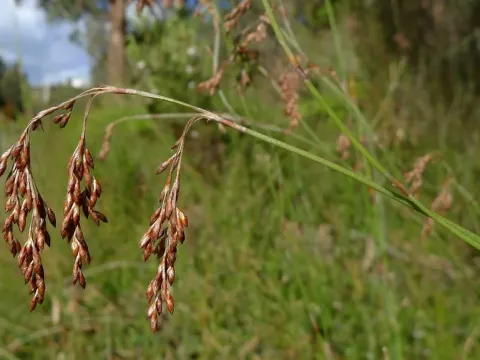
Leptocarpus is a genus of perennial plants belonging to the Restionaceae family. These plants are characterized by their rush-like appearance, consisting of slender, reed-like stems that lack true leaves, which is a structural adaptation to the harsh, wind-swept habitats of their native South Africa and Australia.
What the section contains


Leptocarpus
For optimal growth, Leptocarpus requires acidic, well-drained, sandy, or peaty soils. The plant is highly sensitive to soil compaction and waterlogging, which often leads to root decay. Providing a substrate with excellent aeration is the most critical factor for success in cultivation.
The plant thrives in full sun exposure. In regions with high humidity and mild winters, it can be grown outdoors year-round, while in colder climates, it must be protected or moved to a greenhouse to prevent frost damage to the vascular tissues of the stems.
Agronomic management involves minimal intervention. Once established, the plants are relatively drought-tolerant, although they perform best with consistent moisture during the spring growing season. Pruning should be restricted to the removal of dead or damaged stems to maintain the plant's aesthetic shape.
In landscaping and specialized horticulture, Leptocarpus is prized for its architectural form and texture. It serves as an excellent structural plant in gravel gardens, Mediterranean-style landscapes, and around water features, providing a clean, minimalist silhouette.
The most common disease affecting Leptocarpus is Phytophthora root rot, usually facilitated by poor soil drainage. Managing soil moisture levels and ensuring proper irrigation intervals are the primary preventive measures against fungal pathogens.
Pest issues are generally minor, but spider mites can cause damage in greenhouses or indoor environments with low humidity. Monitoring the plant and keeping air circulation optimal prevents most infestations from reaching economic threshold levels.