
Leptocarpus similis
Leptocarpus similis
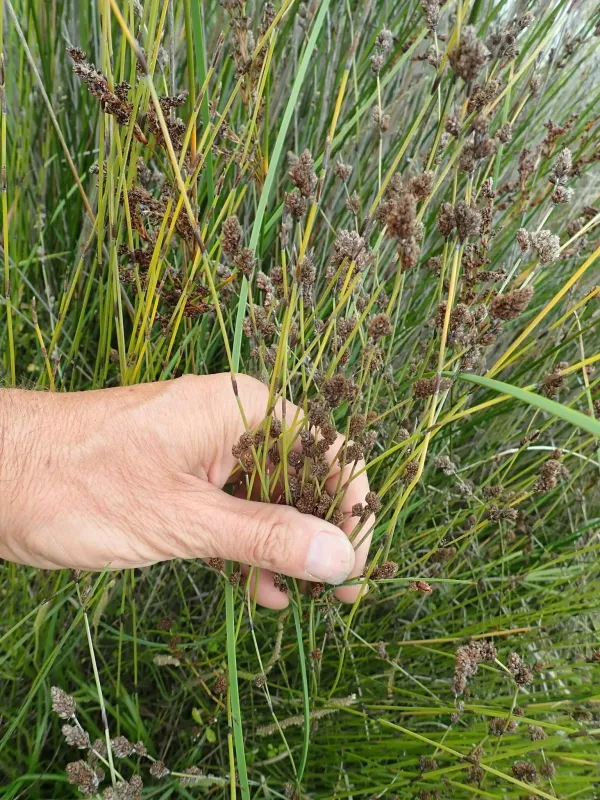
Description
Growing requirements
Leptocarpus similis is a perennial, evergreen species belonging to the Restionaceae family. Commonly known as the coastal rush, this plant is characterized by its slender, erect stems that grow in dense, upright clumps, providing a distinct architectural form in any landscape.
Native to New Zealand, this species is typically found in coastal dune systems, salt marshes, and wetland margins. Its evolutionary adaptation to these harsh environments has made it remarkably resilient to salt spray and high-wind conditions.
The plant thrives in full sun but can tolerate partial shade. For optimal growth, it requires consistently moist soil that is well-drained. It is highly adaptable to various soil types, including sandy and slightly acidic soils, though it performs best when the organic matter content is sufficient.
Climatic requirements focus on regions with mild winters and moderate humidity. While Leptocarpus similis exhibits hardiness, it does not respond well to prolonged, extreme frost. Providing a sheltered spot can help protect the plant in colder regions of its hardiness zone.
In terms of agricultural and horticultural use, it is a premier choice for seaside gardens and sustainable landscaping. It is frequently employed for soil stabilization in coastal areas and as a striking aesthetic element in contemporary garden designs requiring year-round greenery.
Main diseases and pests
Leptocarpus similis is generally resistant to most pests and diseases, which is a major advantage for low-maintenance landscaping. The most significant threat to its health is poor drainage, which can lead to root pathogens when the substrate remains waterlogged for extended periods.
While insect damage is minimal, mealybugs or spider mites may occasionally appear in stagnant or overly crowded conditions. Monitoring the base of the stems and ensuring adequate air circulation around the plants are the most effective management practices to maintain plant health.