
Large yellow foxglove
Digitalis grandiflora Mill.
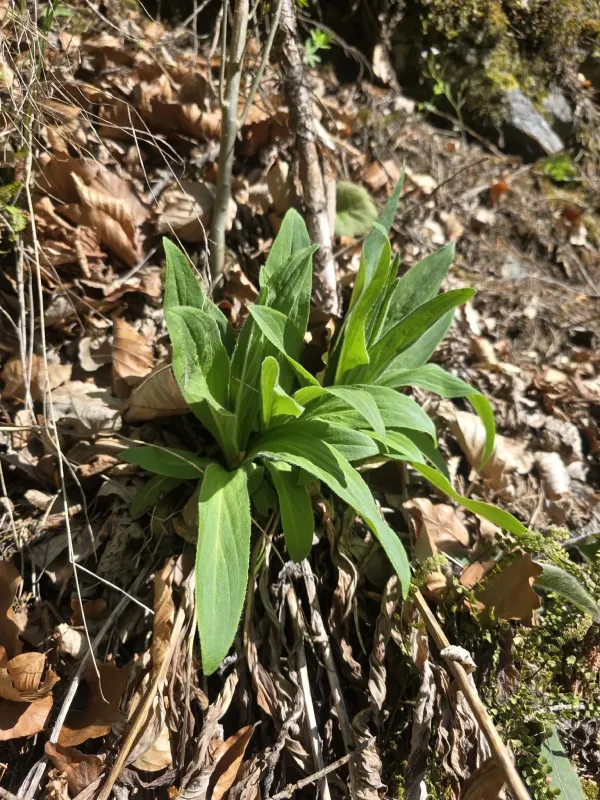
Description
Sowing dates
Digitalis grandiflora Mill., commonly known as the large yellow foxglove, is a medicinal perennial plant belonging to the Plantaginaceae family. It is valued for its pharmacological properties, particularly in the production of cardiac glycosides.
The seeds of this species are extremely small and light-sensitive, which dictates the sowing technique. They should be sown on the surface of well-prepared, fine soil or a peat-based substrate and covered only with a very thin layer of fine sand.
For outdoor sowing, early spring is the ideal time, provided the soil has warmed sufficiently. If starting indoors, seeds should be sown in March to provide enough time for the development of a strong root system before transplantation in early summer.
Uniform soil moisture is critical during the germination phase, which takes about two to three weeks. If the soil surface dries out, the delicate embryos can fail to establish, leading to poor stands in the field.
Optimal planting density for commercial cultivation is typically achieved with row spacing of 50-60 cm. This spacing ensures sufficient aeration and room for the rosette leaves, which are the primary source of harvestable material.
Growing requirements
Large yellow foxglove thrives in fertile, well-draining soils with a neutral or slightly acidic pH. Waterlogged soils are detrimental to the plant, as they quickly trigger root rot and crown diseases that can decimate the crop.
While the plant is quite adaptable, it prefers a sunny location with some protection from strong, hot afternoon winds. In warmer climates, dappled shade is beneficial to prevent the foliage from scorching during mid-summer peaks.
The plant demonstrates excellent hardiness and can withstand the winter temperatures of temperate climates without specific protection. However, stable snow cover in northern regions is preferred to prevent frost heaving of the roots.
Maintenance involves frequent weeding, especially in the first year of growth. Since the plant is slow to establish its rosette, competitive weeds can quickly overtake the crop if not managed during the early stages.
Balanced fertilization is required for maximum biomass production. Nitrogen should be applied early in the season to support leaf growth, while potassium and phosphorus are essential later to ensure the healthy development of flower spikes.
Yield
The yield of Digitalis grandiflora is primarily calculated as the dry weight of leaves harvested during the plant's life cycle. The highest concentration of active compounds is found in the leaves, which are harvested strategically.
In a controlled agricultural environment, a yield of 1-1.5 metric tons of dry foliage per hectare is achievable. The quality of this yield depends heavily on the harvest timing in relation to the plant's phenological stage.
The accumulation of pharmacologically active glycosides is closely linked to light exposure. Research indicates that plants grown in optimal light conditions show significantly higher concentrations of secondary metabolites compared to those in deep shade.
Crop management focuses on preserving the integrity of the rosette during the first season. A healthy, well-nourished rosette ensures that the second-year biomass will be of high quality and appropriate for pharmaceutical extraction.
As the plant is perennial, producers can potentially harvest over two or more years, though the highest quality raw material is usually obtained from young, vigorous plants that have reached their first peak flowering phase.
Main diseases and pests
Common diseases of the large yellow foxglove include powdery mildew, which can significantly reduce the photosynthetic area of the leaves. Fungicidal control and maintaining good air circulation are the primary defense strategies.
Pests such as aphids and spider mites frequently colonize the undersides of the leaves. If left unchecked, these insects can cause leaf curling and a reduction in the overall alkaloid content of the plant.
Root-knot nematodes can also be a significant issue in fields where monoculture is practiced for too long. Crop rotation with non-host species is essential for managing long-term soil health and minimizing nematode impact.
Integrated Pest Management (IPM) is highly recommended. This involves monitoring pest levels regularly and applying biological or chemical treatments only when threshold values are reached to preserve plant quality.
Sanitation practices, such as the removal of infected debris at the end of the season, are crucial. This helps to reduce the inoculum levels for the next growing cycle, ensuring a healthier subsequent crop.
Harvesting
The harvesting of leaves takes place during the early to peak flowering stages. During this time, the plant has synthesized its highest level of secondary metabolites, ensuring maximum value for the raw product.
Careful manual or semi-mechanized harvesting is necessary to ensure that the primary crown of the plant is not damaged. Damage to the growing point can prevent the plant from regenerating or surviving the following winter.
Immediate post-harvest processing is vital. The leaves should be dried in specialized convection dryers at temperatures ranging from 50°C to 60°C to quickly deactivate enzymes that would otherwise degrade the medicinal compounds.
The final product must be kept in airtight, dry, and dark conditions. Proper storage prevents moisture absorption and photochemical degradation, which could compromise the efficacy of the chemical constituents.
Pharmacological standard compliance is the end goal of all harvest practices. Any impurities or discoloration in the dried leaves are considered quality defects that must be sorted out during the drying and packing process.