
Lapland willow
Salix lapponum L.
Description
Growing requirements
The Lapland willow (Salix lapponum L.) is a deciduous shrub that belongs to the Salicaceae family. It is a resilient plant species native to subarctic and alpine regions, showing remarkable adaptation to harsh northern climates.
The geographic distribution of this species spans across the northern parts of Europe and Asia. In its natural habitat, it is commonly found in peat bogs, marshes, and damp meadows, where it thrives in acidic and waterlogged soil conditions.
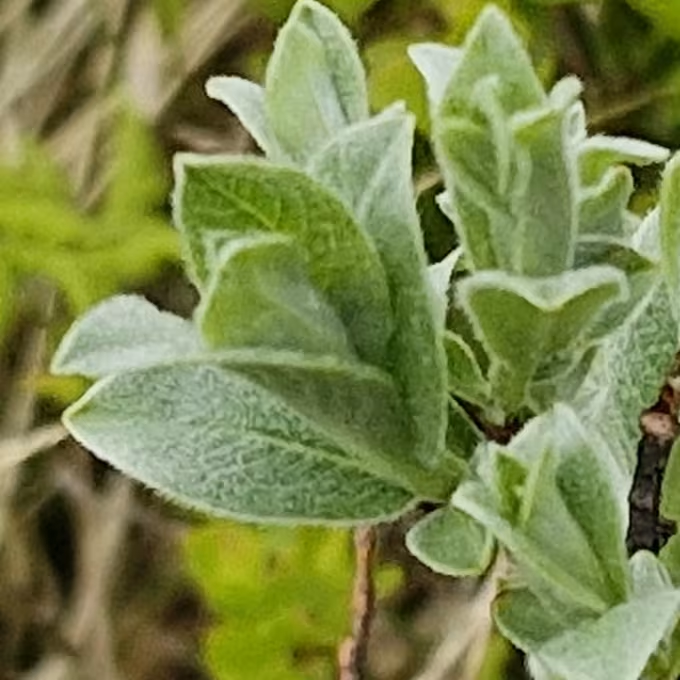
Botanically, it reaches a height of up to 1.5 meters. The stems and leaves are covered in a dense, silvery-grey tomentum, providing the plant with a unique aesthetic appearance. This pubescence is a key survival mechanism in cold, windy environments.
Cultivation requires sites with consistent moisture levels and full sun exposure. It is highly winter-hardy and does not require special winter protection, but it does demand proper soil drainage to prevent stagnant water from causing root rot despite its affinity for damp ground.
Economically, the plant is primarily used in landscape architecture for ground cover and soil stabilization on damp, sloped surfaces. Its aesthetic appeal makes it a popular choice for rock gardens and naturalistic plantings in cooler climatic zones.
Main diseases and pests
Common health issues for this species include fungal infections such as willow rust and leaf spot. These pathogens thrive in humid conditions, necessitating proper spacing between individual plants to ensure adequate air circulation and reduce the risk of infestation.
Insects such as willow beetles and aphids can also affect the vitality of the plant. Integrated pest management strategies, including the use of systemic insecticides or biological controls, are recommended if the damage to the leaves becomes significant during the growing season.