
Lachenalia viridiflora
Lachenalia viridiflora
Description
Sowing dates
The planting of Lachenalia viridiflora bulbs is typically initiated in late summer or early autumn to align with the plant's natural growth cycle in its native South African climate.
For successful establishment, bulbs should be planted in a well-draining, porous substrate at a depth of approximately two to three centimeters.
Proper spacing is essential in greenhouse cultivation to ensure adequate air circulation between plants and prevent the spread of moisture-related pathogens.
Initial irrigation should be light to encourage root growth without saturating the soil, as bulbs are highly susceptible to rot during their dormant to active transition.
Once growth is established, the pots should be placed in a location with stable temperatures to promote steady development of the inflorescence.
Growing requirements
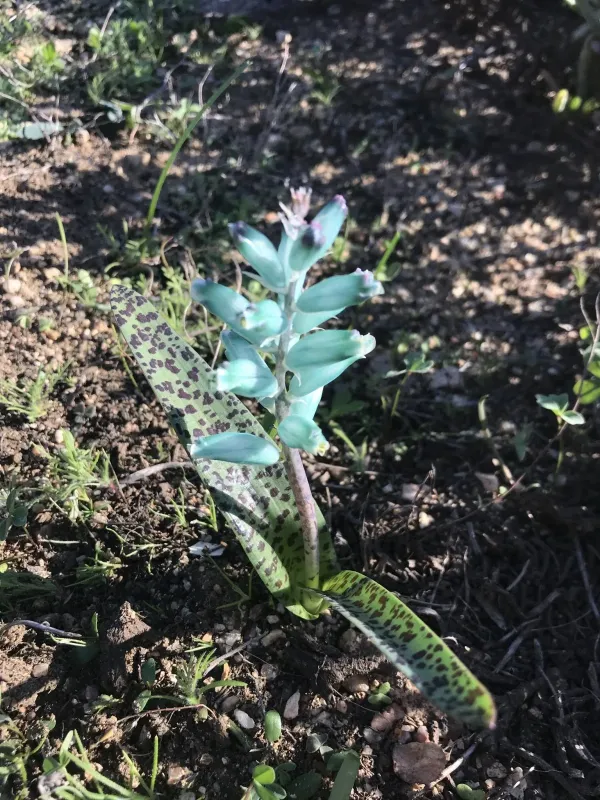
Lachenalia viridiflora belongs to the Asparagaceae family and is recognized for its unique turquoise-green flowers, making it a sought-after ornamental crop.
This species requires cool growing conditions, ideally between 10 and 15 degrees Celsius, to mirror the Mediterranean climate of its origin in the Cape region.
Bright, filtered light is necessary for healthy development; direct afternoon sun can cause leaf scorch and fade the delicate coloration of the flowers.
The soil composition must be highly permeable, utilizing a mix of sand, perlite, and organic peat to prevent any standing water near the bulb base.
The plant exhibits a distinct summer dormancy period during which the bulbs must be kept dry and cool to ensure a successful return to flowering the following year.
Main diseases and pests
The most significant threat to the health of this crop is the development of fungal infections, particularly Botrytis and root rot, caused by excessive soil moisture.
Overwatering during the dormant phase or in low-light conditions often leads to rapid decay of the bulb, which is irreversible in most cases.
Pests such as aphids and mealybugs can target the succulent-like foliage, necessitating regular inspections to maintain plant vigor.
Spider mites represent a common issue in indoor settings where humidity levels are poorly managed, leading to yellowing and stunted growth of the leaves.
- Maintain excellent air circulation to reduce humidity.
- Use fungicides preventatively if environmental conditions are suboptimal.
- Remove any damaged plant parts immediately to stop the spread of infection.