
Lachenalia barkeriana
Lachenalia barkeriana
Description
Growing requirements
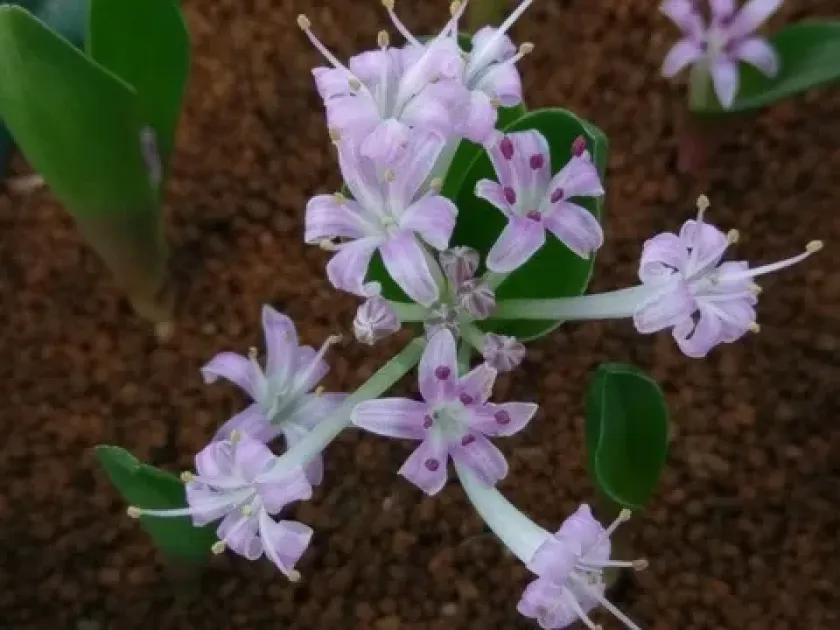
Lachenalia barkeriana is a distinct species of bulbous plant belonging to the family Asparagaceae. Native to the arid and semi-arid regions of South Africa, it has evolved to thrive in specialized environmental niches with high drainage requirements.
The cultivation of this crop necessitates a sandy, highly porous substrate. The soil pH should ideally remain between 6.0 and 7.0 to facilitate optimal nutrient uptake. Heavy clay soils must be avoided as they prevent proper root aeration and induce bulb dormancy failures.
Climate control is the most critical aspect of Lachenalia management. The plant requires cool to moderate temperatures ranging from 12°C to 18°C during its vegetative cycle. Any exposure to frost or prolonged heat stress will lead to significant physiological damage.
Lighting should be bright but filtered to protect the foliage from oxidative stress. In greenhouse conditions, supplemental artificial lighting may be required if natural light levels fall below the threshold necessary for consistent flowering.
Watering must be strictly calibrated with the plant's seasonal rhythm. During the active growth phase, hydration should be sufficient but never excessive, while the dormant stage requires complete cessation of watering to allow the bulb to recover and prepare for the next cycle.
Main diseases and pests
Fungal infections, particularly Botrytis and various root rots, are the primary pathogens threatening the crop. These are almost exclusively linked to poor ventilation and excessive moisture content within the growth medium.
Bulb mites are a persistent threat, often remaining undetected until significant damage is inflicted on the bulb plate. Routine inspection of bulbs prior to planting and systemic drenching are recommended best practices for disease management.
Aphids pose a recurring risk, especially during the flowering stage. Their feeding habits cause stunted growth and nutrient depletion, necessitating immediate intervention with appropriate contact or systemic insecticides to preserve the crop's vitality.
Spider mites are another common pest in dry environments. They cause stippling and discolouration of the leaves, which reduces the photosynthetic capacity of the plant and lowers the overall yield of bulb reproduction.
Biological hygiene remains the cornerstone of protection. By ensuring high air circulation, proper spacing between plants, and the use of sterile tools, growers can significantly reduce the incidence of both biotic and abiotic threats to the crop.