
Lachenalia carnosa
Lachenalia carnosa
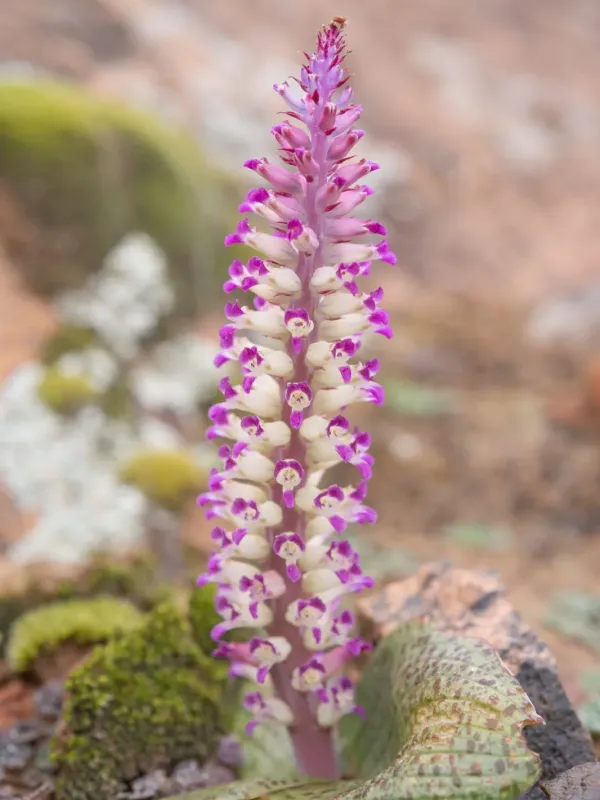
Description
Growing requirements
Lachenalia carnosa is a unique bulbous plant belonging to the Asparagaceae family. Native to the diverse landscapes of Southern Africa, this species has evolved to thrive in environments with specific seasonal rainfall patterns, making it a specialized crop for enthusiasts and collectors.
The plant is recognized by its fleshy, spotted leaves and its distinct inflorescence, which produces clusters of bell-shaped flowers. These blossoms typically exhibit soft hues, ranging from creamy white to pale pink, contributing significantly to its ornamental value.
When cultivating this species, it is essential to mimic its natural habitat. The plant requires well-draining, sandy-loam soil that allows the bulbs to breathe. Poor drainage is the most common cause of failure, as the bulbs are highly susceptible to moisture-related stress.
Light requirements are strict; the plant demands bright, filtered sunlight to maintain compact growth and vibrant leaf patterns. Exposure to intense, direct afternoon sun can lead to leaf scorching, which permanently damages the aesthetic appeal of the foliage.
Temperature management is a key aspect of successful cultivation. Lachenalia carnosa performs best in cool-to-moderate climates. During its active growth phase, keep the plant in a well-ventilated area with temperatures ranging between 15°C and 18°C to encourage healthy development.
Main diseases and pests
The primary threats to Lachenalia carnosa involve fungal pathogens that target the root system. Bulb rot, caused by overwatering or poor drainage, remains the most frequent challenge, often resulting in the total loss of the specimen if not caught early.
Pests such as spider mites and aphids are frequently attracted to the soft, succulent nature of the leaves. These pests sap nutrients from the plant, causing stunted growth and distorted foliage, which warrants regular monitoring of the underside of the leaves.
Disease prevention starts with strict sanitation practices. Always ensure that the growing medium is sterilized before planting new bulbs and avoid overhead watering to prevent water from pooling at the base of the stems, which is a common site for fungal growth.
Virus infections, characterized by irregular streaks or discoloration on the leaves, are another concern. Since these infections are often incurable, affected bulbs should be removed and disposed of immediately to protect the rest of the collection.
For chemical control, only apply insecticides that are labeled as safe for bulbous plants. Always test a small area first to ensure that the foliage does not react negatively to the treatment, and maintain a consistent observation cycle throughout the growing season.