
Lachenalia hybrid
Lachenalia hybrids
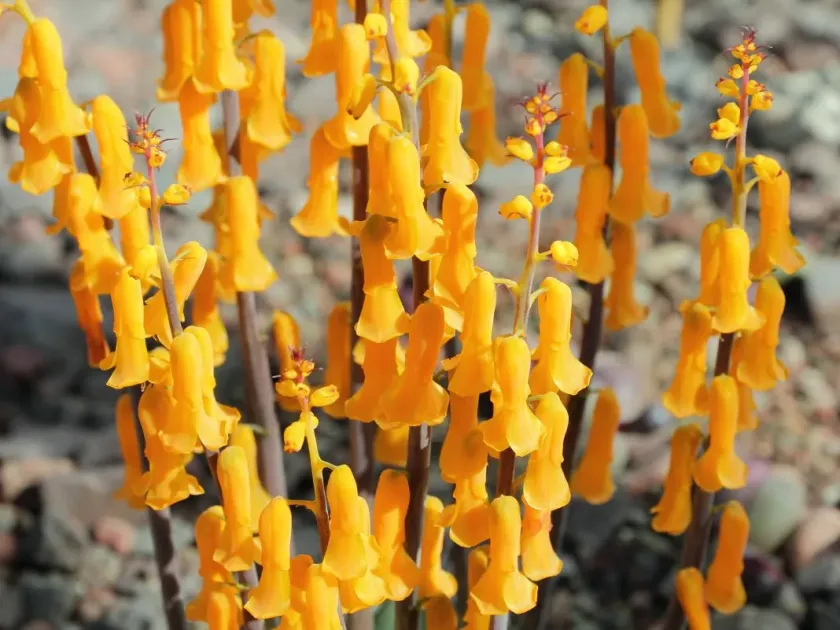
Description
Sowing dates
The planting of Lachenalia hybrid bulbs typically occurs in late summer or early autumn, aligning with the plant's natural growth cycle in its native environment.
Optimal results are achieved by planting in containers or well-drained beds during September, allowing the roots to establish before the onset of the main growth phase.
Bulbs should be buried at a depth of approximately 2 to 3 centimeters, with adequate spacing provided to ensure proper air circulation between emerging shoots.
Initial irrigation should be light to prevent the bulbs from rotting in cold, overly saturated soil during the first weeks of the growth process.
Professional growers often use temperature-controlled environments to synchronize the development of uniform batches for commercial sale.
Growing requirements
Lachenalia hybrids belong to the Asparagaceae family and are highly valued for their ornamental, tubular-shaped flowers in a variety of vibrant colors.
These plants thrive in cool temperatures, ideally between 10 and 15 degrees Celsius, making them excellent choices for cool greenhouses or shaded winter gardens.
A well-draining, nutrient-rich, and slightly acidic potting mix is essential for maintaining plant health and preventing common root-related issues.
Light requirements include bright, indirect sunlight; direct exposure to intense noon sun should be avoided to prevent foliar damage or scorching.
Watering should be consistent throughout the growth cycle, allowing the top layer of soil to dry slightly before applying more moisture to the root zone.
Main diseases and pests
The primary threats to Lachenalia cultivation include fungal infections, specifically root and bulb rot, which are often triggered by improper drainage.
Pests such as aphids, spider mites, and mealybugs can colonize the foliage, draining the plant's energy and acting as vectors for potential viral diseases.
Integrated pest management (IPM) practices, including regular scouting and the use of insecticidal soaps, are recommended to maintain healthy crops.
To minimize disease pressure, maintain good hygiene in the growing area, remove any decaying organic matter, and avoid overhead watering.
Viral infections can cause yellowing or streaking on the leaves, which necessitates the immediate removal and destruction of affected specimens.
Harvesting
Harvesting bulbs for storage begins once the foliage has turned yellow and withered, marking the transition into the summer dormancy period.
Carefully extract the bulbs from the substrate, removing excess soil and inspecting them for any signs of decay or damage before the curing process begins.
Curing involves drying the bulbs in a shaded, well-ventilated location to ensure any surface moisture evaporates, thereby preventing storage rot.
After curing, store the bulbs in breathable containers in a cool, dark, and dry environment until the next planting season begins.
Proper storage management is critical for preserving bulb vitality, which directly impacts the flowering performance in the following cycle.