
Lachenalia bulbifera
Lachenalia bulbifera
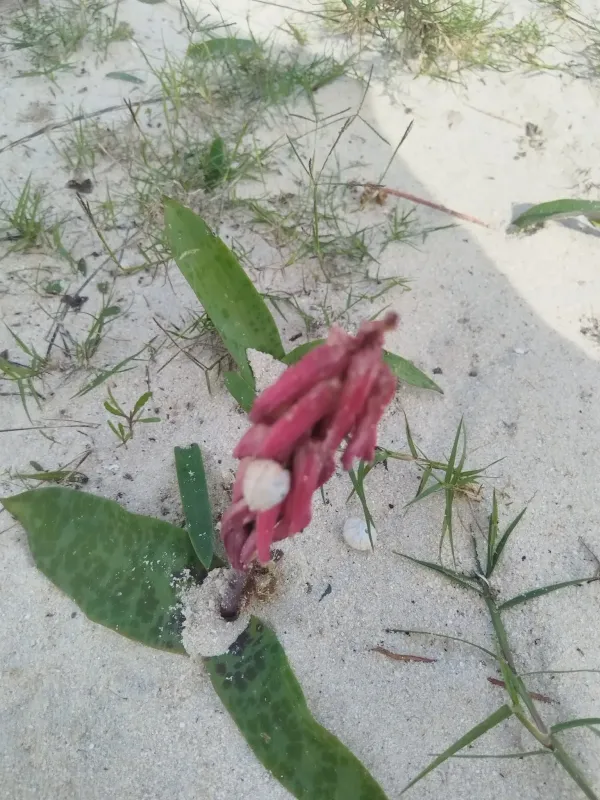
Description
Sowing dates
Planting of Lachenalia bulbifera bulbs is best performed in late summer or early autumn. This timing aligns with the plant's natural emergence from dormancy and initiates optimal root development.
Bulbs should be planted at a depth of approximately 5 to 8 centimeters. Maintaining a spacing of 10 to 15 centimeters between bulbs is crucial for ensuring proper air circulation and minimizing competition for nutrients.
When grown in containers, it is essential to incorporate a drainage layer of coarse grit at the bottom. This prevents water from pooling, which is a frequent cause of bulb rot in this species.
The ideal growing medium is a light, well-draining substrate consisting of peat-based potting soil mixed with sand or perlite. Such a mixture mimics the friable soils of the species' native South African habitat.
Following the initial planting, a moderate watering regime should be established to encourage root establishment. Containers should be kept in a cool environment with temperatures ranging from 10 to 15 degrees Celsius.
Growing requirements
Lachenalia bulbifera is a member of the Asparagaceae family and is native to the Southwestern Cape region of South Africa. As an ephemeral plant, it is adapted to cool, moist winters and hot, dry summers.
The plant thrives in bright, indirect light. Direct sunlight, especially during the midday hours, should be avoided as it may scorch the succulent, fleshy foliage characteristic of the genus.
The optimal temperature range for active growth is between 12 and 18 degrees Celsius. The species is not frost-hardy and requires protection from freezing temperatures to ensure survival and consistent flowering.
Watering should be consistent throughout the active growth phase, allowing the top layer of soil to dry out between applications. Once the foliage begins to yellow after blooming, watering must be gradually reduced.
Regular fertilization with a balanced, low-nitrogen, high-phosphorus fertilizer promotes stronger flower stalks. Feeding should be restricted to the active growing season and ceased entirely during the dormant period.
Main diseases and pests
The most significant threat to Lachenalia bulbifera is basal rot, often triggered by overwatering or poorly aerated soil. This fungal infection can destroy the entire bulb population if not managed promptly.
Common pests include aphids and spider mites, which can infest the foliage, particularly in indoor environments with low humidity. Regular inspections and mild insecticidal treatments can keep populations under control.
Root mealybugs may also attack the underground parts of the plant. These pests are often difficult to detect until the plant shows signs of stunted growth or chlorosis.
Viruses represent a severe threat, typically spread by sap-sucking insects. Plants showing mosaic patterns on leaves or deformed flowers should be isolated and removed to prevent contamination of healthy bulbs.
Prevention is centered on maintaining clean cultivation conditions. Proper ventilation, sterile potting medium, and immediate removal of any unhealthy plant tissue are fundamental to disease management.
Harvesting
Harvesting of the bulbs is performed after the foliage has fully withered and entered the dormant state. This usually occurs at the onset of summer, marking the end of the growth cycle.
Bulbs should be carefully lifted from the soil to avoid any physical damage to the basal plate. Any damaged or unhealthy bulbs should be discarded to maintain the quality of the stored stock.
Drying the bulbs in a shaded, well-ventilated area for several days is essential to cure the outer scales. This process significantly reduces the risk of fungal growth during the storage period.
Stored bulbs should be kept in a cool, dry place, ideally packed in dry sand or paper bags. A stable temperature is vital to prevent premature sprouting before the next planting season.
Routine checks during the storage period allow for the early detection of any rot or decay. Removing any suspect bulbs immediately prevents the infection from spreading to the rest of the collection.