
Lachenalia ensifolia
Lachenalia ensifolia
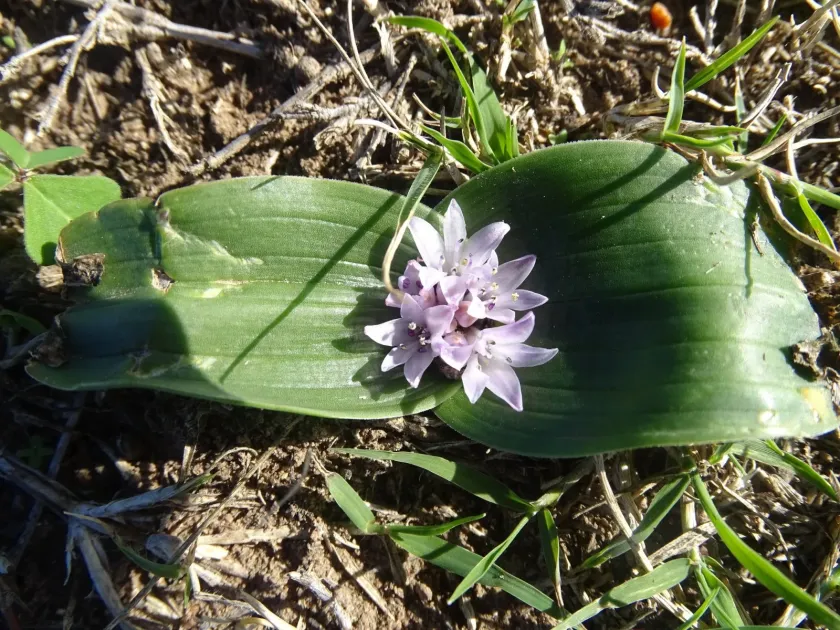
Description
Growing requirements
Lachenalia ensifolia belongs to the Asparagaceae family. This perennial bulbous plant originates from the southern regions of Africa, where it has adapted to environments characterized by distinct cycles of rainfall and drought, essential for its natural development.
Botanically, the plant is recognized by its two broad, often spotted leaves that lie flat against the soil surface, and a spike-like inflorescence consisting of small, tubular flowers. In commercial floriculture, it serves as an ornamental crop intended for greenhouses and potted displays.
For successful cultivation, the plant requires a well-drained, porous substrate with a neutral to slightly acidic pH level. High light intensity is crucial for growth, although it must be protected from scorching mid-day sun, which can damage the foliage in confined indoor spaces.
A strict irrigation management system is vital for this species. Water must be applied carefully during the growing phase, ensuring that the soil does not remain waterlogged, as poor drainage is the primary cause of bulb rot and subsequent plant death.
After the flowering cycle concludes, the plant enters a period of dormancy. During this phase, the foliage dies back, and the bulbs should be kept in dry conditions until the next growth cycle begins, effectively mimicking the natural arid conditions of its habitat.
Main diseases and pests
Fungal infections, such as gray mold (Botrytis) and Fusarium wilt, pose the greatest threat to Lachenalia ensifolia. These diseases typically develop due to improper aeration and excessive soil moisture, particularly during the dormant period when the bulbs are vulnerable.
Pests such as bulb mites and thrips can cause severe damage to the plant tissues. Regular inspections of the bulbs before planting and the application of appropriate acaricides and insecticides are necessary to prevent infestations that can compromise the plant's health.
Physiological distress often occurs when the plant is exposed to drastic temperature fluctuations or cold drafts. Such environmental stressors weaken the plant's systemic resistance, making it more susceptible to opportunistic pathogens found in the growing medium.
Viral infections may manifest as chlorotic mosaics or leaf distortion. Since these diseases are often spread by insect vectors, rigorous pest control and the immediate removal of symptomatic plants are the only effective strategies for maintaining a healthy collection.
Using sterile soil media at the time of planting is a fundamental agricultural practice that significantly reduces the incidence of soil-borne diseases, providing the bulbs with the best possible conditions for successful spring growth.