
Lachenalia glauca
Lachenalia glauca
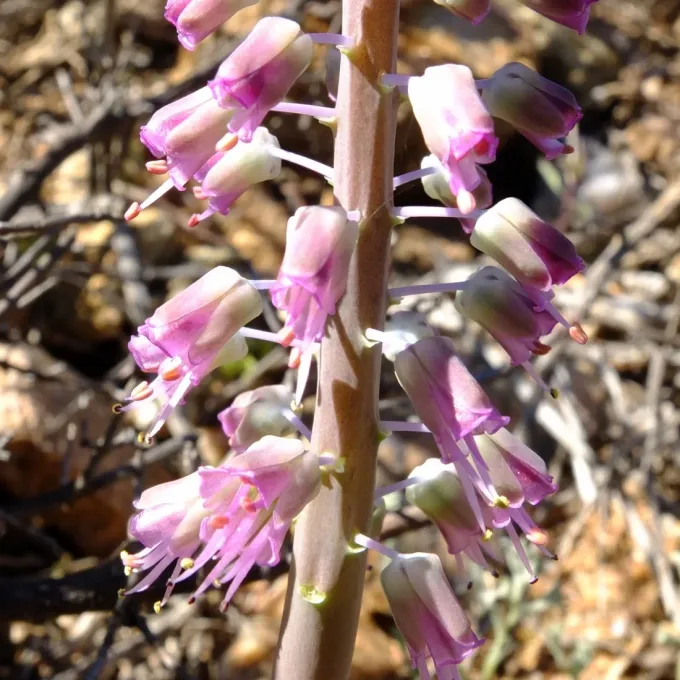
Description
Sowing dates
Lachenalia glauca is a bulbous perennial belonging to the Asparagaceae family. The planting cycle typically begins in late summer or early autumn, marking the start of the plant's active growth phase.
For successful cultivation, bulbs should be planted in a well-draining substrate at a depth of 5–8 cm. The soil must be loose and fertile to support the development of the root system during the initial stages.
When grown in containers, it is essential to ensure that the pots have drainage holes to prevent the accumulation of excess moisture, which can quickly lead to bulb rot.
Spacing between bulbs should be approximately 10–12 cm to ensure adequate air circulation and nutrient availability, which helps prevent overcrowding and subsequent fungal issues.
After planting, a light initial watering is recommended to settle the bulbs. The containers should then be kept in a cool, bright location to initiate steady root growth before foliage emerges.
Growing requirements
Lachenalia glauca thrives in bright, indirect light. Direct sunlight, especially in the afternoon, can scorch the glaucous, succulent-like leaves and reduce the overall aesthetic value of the plant.
The ideal temperature for this species ranges from +10°C to +15°C. Cool temperatures are critical for maintaining compact growth and preventing the flower stalks from becoming overly long and weak.
The soil should be a lightweight mixture, ideally combining peat, sand, and loam to ensure optimal drainage and aeration. A neutral to slightly acidic pH is preferred for nutrient uptake.
Watering must be carefully managed. The substrate should be kept moist but never waterlogged during the active growing season. Watering should be reduced gradually as the foliage begins to fade.
During the dormant phase, the plant requires a completely dry environment. The bulbs should be stored in a cool place, kept away from moisture until the next growing cycle begins.
Main diseases and pests
The primary threat to Lachenalia glauca is root and bulb rot caused by excessive soil moisture and poor drainage. These pathogens can be fatal if the environmental conditions are not properly controlled.
Pests such as aphids and spider mites can infest the foliage, particularly when the air is too dry. Regular monitoring is necessary to detect these pests before they cause significant damage.
Preventive measures include the use of fungicidal treatments on bulbs before planting and maintaining high hygiene standards within the greenhouse or indoor growing space.
If viral symptoms or severe infestation occur, the affected plants should be promptly removed or isolated from healthy specimens to protect the rest of the collection.
Using appropriate systemic insecticides or natural soaps is recommended for pest control, provided that the application follows the specific guidelines for sensitive bulbous flora.