
Lachenalia trichophylla
Lachenalia trichophylla
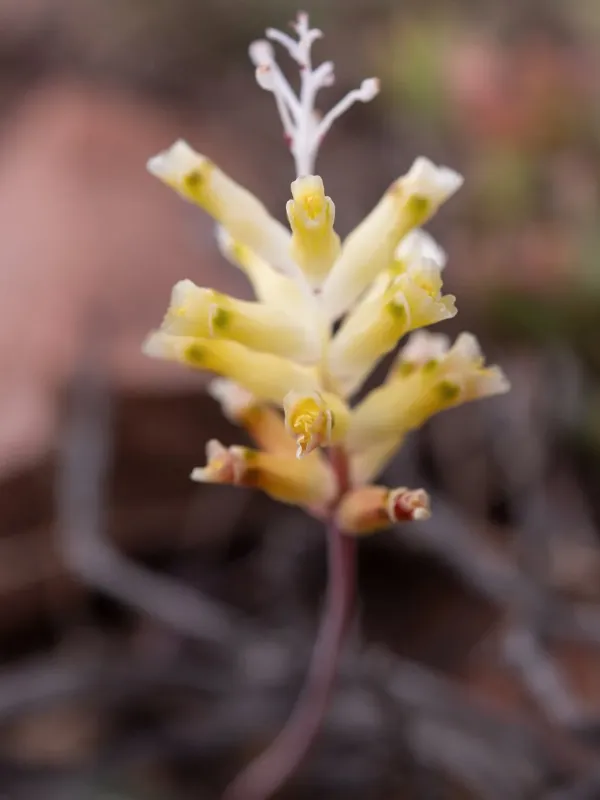
Description
Sowing dates
Planting of Lachenalia trichophylla bulbs typically occurs in late summer or early autumn, coinciding with the beginning of the plant's active growing season.
Bulbs should be placed in a well-draining, gritty soil mix at a depth of approximately 2 to 3 centimeters to ensure proper establishment.
When cultivating in pots, spacing is essential to ensure adequate airflow around the foliage, which is often sensitive to high humidity.
The substrate must be porous, mimicking the natural, well-draining soils of the species' native South African habitat.
Using sterile pots and high-quality potting mix is a standard practice to avoid introducing pathogens into the root zone of these bulbs.
Growing requirements
Lachenalia trichophylla belongs to the Asparagaceae family and originates from South Africa, specifically adapted to regions with wet winters and dry summers.
This species requires bright, indirect light to maintain its characteristic growth patterns and to produce its delicate, hair-covered foliage.
Temperature management is vital, with a preferred range of 10 to 18 degrees Celsius during the vegetative phase to promote healthy development.
Irrigation should be consistent but cautious, allowing the soil to dry out between waterings to prevent moisture-related stress.
The dormant phase, during which the leaves die back, requires complete cessation of watering to allow the bulb to rest and recover for the next season.
Main diseases and pests
The most significant threats to this culture are fungal diseases, particularly bulb and root rots caused by waterlogged soil conditions.
Poor ventilation and high humidity can exacerbate these issues, leading to rapid decay of the bulbs and systemic infection of the plant.
Pests such as spider mites and aphids are known to feed on the foliage, potentially causing yellowing and stunted growth if left unmanaged.
Regular inspection of the plant's leaves and growing medium is necessary to detect and mitigate pest populations early in their life cycle.
Integrated pest management, including the use of targeted insecticides or natural remedies, helps protect the bulbs throughout the growing cycle.