
Lachenalia stayneri
Lachenalia stayneri
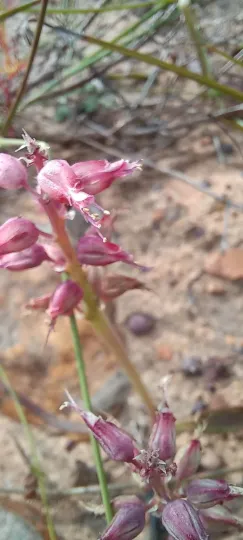
Description
Sowing dates
Planting Lachenalia stayneri is best timed for late summer or early autumn. This period marks the end of the dormancy cycle, preparing the bulbs to establish root systems in anticipation of their winter growth phase.
Bulbs should be planted at a depth of approximately 5–8 centimeters. Ensuring adequate spacing is essential to prevent overcrowding, which can hinder the development of offset bulblets and promote fungal issues.
A well-draining, porous substrate is non-negotiable for successful growth. A mixture consisting of loam, leaf mold, and coarse horticultural sand provides the necessary aeration and moisture regulation for the bulbs.
Initial irrigation following planting should be light, gradually increasing as foliage emerges. In temperate climates, this species is typically grown as a container plant to protect it from harsh frost and extreme environmental shifts.
The flowering phase occurs during winter or early spring, requiring careful monitoring. Once the display concludes, watering should be steadily reduced to facilitate the natural transition into the dormant summer period.
Growing requirements
Belonging to the Asparagaceae family, Lachenalia stayneri is endemic to the Cape Province of South Africa. The species thrives in bright, indirect light, as direct mid-day sun may scorch its foliage and compromise growth.
The optimal temperature range for this plant is between +10°C and +18°C. Consistent temperatures within this bracket support healthy development, whereas excessive heat may cause spindly, weak stems and reduced flowering longevity.
Soil composition must prioritize drainage; waterlogged conditions are highly detrimental to the bulbs, which are prone to rotting. Utilizing a high-quality drainage layer at the base of containers is standard professional practice.
Fertilization should be applied moderately throughout the vegetative season using balanced, low-nitrogen formulas. Excess nitrogen tends to stimulate foliage production at the expense of floral structure and overall plant vigor.
Maintaining a distinct seasonal cycle is vital. The plant requires a strictly dry resting phase during the summer months to reset its biological clock; failure to observe this cycle often leads to poor bloom performance the following year.
Main diseases and pests
Fungal infections, particularly basal rot and fusarium, are the most significant threats to Lachenalia stayneri. These are almost always caused by excessive soil moisture and inadequate ventilation around the crown of the bulb.
Common pests include mealybugs and spider mites, which exploit the relatively dry air often found in indoor gardening settings. Regular inspections and the use of insecticidal soaps or oils are recommended to maintain plant health.
Poor air circulation significantly increases the risk of grey mold (Botrytis) appearing on the leaves. Keeping plants spaced appropriately and ensuring the growing environment is well-ventilated is an effective preventative measure.
Viral pathogens may manifest as mottling or irregular patterns on the leaves, leading to stunted growth. Since there is no cure, identifying and discarding symptomatic plants is necessary to protect the remainder of the collection.
Preventative bulb treatment using a broad-spectrum fungicide prior to planting is highly recommended. This practice significantly reduces the risk of introducing soil-borne pathogens and helps ensure a successful start to the season.