
Lachenalia splendida
Lachenalia splendida
Description
Growing requirements
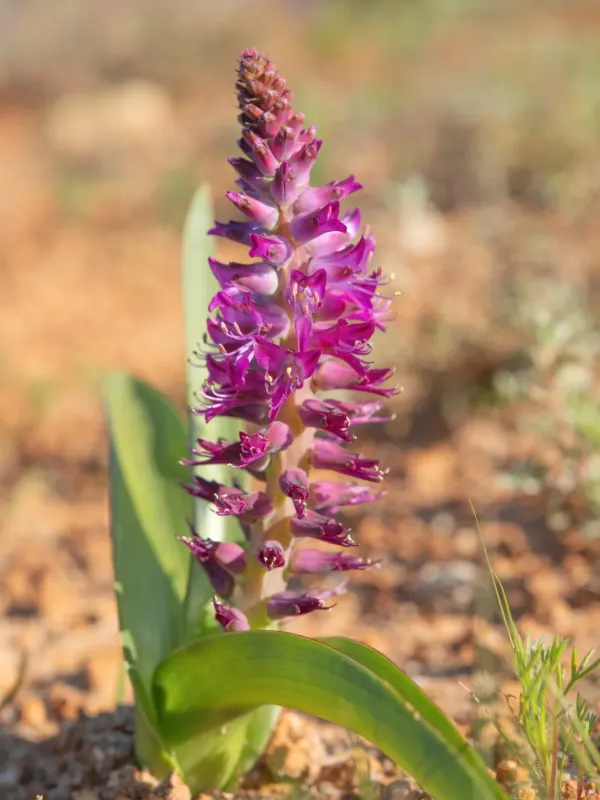
Lachenalia splendida is an ornamental bulbous plant belonging to the Asparagaceae family. Native to the Cape region of South Africa, it is widely recognized for its unique, bell-shaped flowers that display striking shades of blue, lavender, and white, emerging from a compact rosette of spotted leaves.
Botanically, this species is well-adapted to the Mediterranean climate of its origin. It typically goes dormant during the hot, dry summer months and initiates active growth during the cooler, wetter winter season. Understanding this natural cycle is essential for successful cultivation.
The culture requires a light, well-draining substrate to prevent bulb decay. A professional potting mix usually consists of sandy loam supplemented with leaf mold or pumice, ensuring excellent aeration and drainage for the sensitive root system.
Optimal growth conditions involve bright, indirect light. Placing the plants in an area with good air circulation is crucial, as stagnant, humid air can inhibit flower development and promote the growth of unwanted pathogens.
Temperature management is a key aspect of agrotechnology for this species. Night temperatures should be kept relatively cool, ideally around +10°C to +13°C, which helps to maintain strong, sturdy stems and prolong the display of the inflorescences.
Main diseases and pests
The most prevalent threats to Lachenalia splendida are fungal diseases, particularly those affecting the bulbs and roots. Botrytis and various forms of soft rot are frequently observed when moisture levels exceed the plant's requirements, especially in low-light conditions.
Pest management is focused on controlling aphids and spider mites. These pests thrive in indoor environments and can quickly weaken the plant by feeding on the sap, leading to stunted growth and leaf distortion if not controlled early.
Root-knot nematodes can also compromise plant health, particularly in greenhouse-grown batches. Signs of infestation include poor vigor and thickened, irregular root growth, which prevents the effective uptake of water and nutrients.
Preventative measures include the use of sterilized soil and strict sanitation protocols. Removing yellowing or decayed leaves immediately is a necessary practice to reduce the inoculum potential of opportunistic fungi in the growing area.
Integrated pest management (IPM) strategies, including the use of sticky traps and occasional biological control agents, are recommended for large-scale production. Keeping the plant environment dry during dormancy is the most effective cultural practice to prevent bulb rot.