
Lachenalia quadricolor
Lachenalia quadricolor
Description
Growing requirements
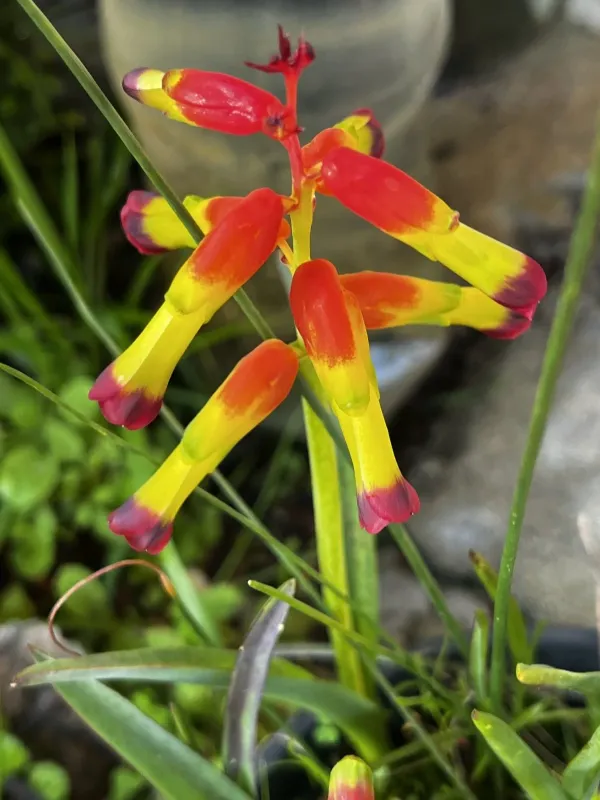
Lachenalia quadricolor is a perennial bulbous plant belonging to the Asparagaceae family. Native to the Cape region of South Africa, it is highly valued for its striking, multi-colored inflorescences that transition through shades of yellow, green, and red.
The plant thrives in well-draining, porous soil types. Proper moisture management is crucial, as the bulb is prone to rot if kept in waterlogged conditions; therefore, using a high-quality potting mix with inorganic drainage materials is recommended.
In terms of climate, Lachenalia prefers bright, indirect light and a moderate temperature range. It is sensitive to extreme heat and frost, making it ideal for container gardening or controlled greenhouse environments where conditions can be regulated.
Cultivation requires adherence to a distinct cycle of growth and dormancy. After flowering, the foliage should be allowed to die back naturally while the watering frequency is significantly reduced, ensuring the bulb remains dormant until the next season.
Economically, this species is utilized in the professional horticultural industry as an ornamental flower. Its unique appearance makes it a popular choice for indoor displays, floristry, and specialized collections of exotic bulbous plants.
Main diseases and pests
The most significant threats to Lachenalia quadricolor are fungal pathogens that affect the bulbous base. Overwatering in poorly aerated conditions almost invariably leads to various forms of root and bulb rot.
Common pests include spider mites and aphids, which frequently infest plants kept in dry greenhouse environments. These pests can rapidly weaken the plant, leading to stunted growth and reduced flower quality.
Powdery mildew is a common fungal threat that appears as a white, powdery coating on the leaves. It is often a sign of inadequate ventilation and localized high humidity around the foliage.
Virus infections, often spread by sap-sucking insects, may cause leaf mottling or pigment breakage in the flowers. Strict hygiene protocols, such as cleaning tools and isolating new plants, are essential to minimize spread.
Regular monitoring for early signs of stress or pest colonization, combined with a balanced approach to irrigation, constitutes the most effective integrated pest management strategy for this crop.