
Lachenalia pygmaea
Lachenalia pygmaea
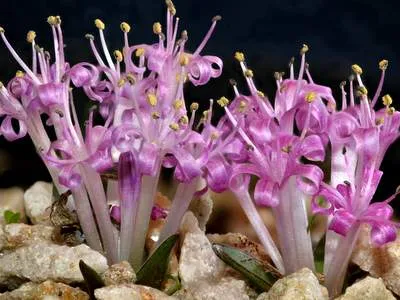
Description
Growing requirements
Lachenalia pygmaea is a miniature bulbous plant belonging to the Asparagaceae family, native to the Western Cape region of South Africa. In its natural habitat, the plant is adapted to a Mediterranean-type climate characterized by winter rainfall and a dry summer dormancy period.
Successful cultivation requires well-drained, light, sandy, or loamy soil with a neutral to slightly acidic pH. Proper drainage is critical, as stagnant water in the root zone is the primary cause of bulb rot and plant failure.
The species thrives in bright, indirect light. Direct sunlight during peak hours can cause leaf scorch, so it is recommended to provide partial shading or utilize east or west-facing orientations in greenhouse conditions.
The optimal temperature range for active growth is between +10°C and +15°C. High temperatures are detrimental to the plant and often trigger premature dormancy, shortening the flowering season and overall plant development.
Agronomic management involves moderate irrigation during the growth phase and complete withdrawal of water once the foliage begins to wither. During dormancy, bulbs should be stored in a dry, cool environment at +15…+18°C until the next growing season.
Main diseases and pests
The main threats to Lachenalia pygmaea are fungal diseases, primarily caused by over-irrigation or poor soil aeration. Fungal root and basal rot can cause rapid tissue collapse, leading to the irreversible death of the bulb.
Poor ventilation can lead to an infestation of Botrytis (gray mold). Visible symptoms include necrotic gray lesions on the leaves, which require immediate sanitation and treatment with systemic fungicides to prevent spread.
Common pests affecting this species include bulb mites and mealybugs. These organisms target the bulb tissues and leaf bases, causing systemic weakness and reducing the plant's aesthetic value.
Aphids can frequently colonize the flower spikes during the inflorescence development. Their feeding damages the buds and may lead to the transmission of viral diseases, causing deformation of the flowers.
Proactive disease management relies on strict irrigation control, the use of sterile growing media, and maintaining adequate airflow to ensure the bulbous plants remain healthy throughout their development cycle.