
Lachenalia orchioides
Lachenalia orchioides
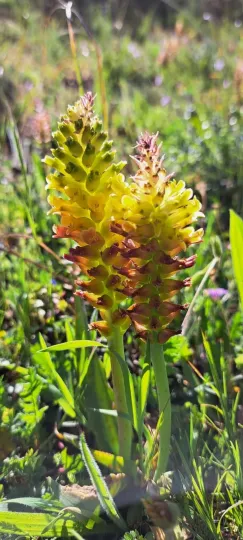
Description
Sowing dates
Bulbs are typically planted in late summer or early autumn to align with the plant’s natural growing season. Proper planting depth is usually twice the diameter of the bulb.
When planting, it is essential to ensure adequate spacing between bulbs to promote airflow. This helps in preventing the onset of fungal diseases that thrive in crowded conditions.
Seeds can also be sown in a light, well-draining substrate shortly after harvest. This process requires patience, as the bulbs may take several years to reach a flowering size.
Vegetative propagation via offset bulbs is the most common and efficient method. Offsets are separated from the parent bulb during the dormant phase and replanted in fresh soil.
Watering should be kept minimal immediately after planting, gradually increasing as the first leaves emerge from the soil surface to encourage root development.
Growing requirements
Lachenalia orchioides is a bulbous perennial plant belonging to the Asparagaceae family. Native to South Africa, it is adapted to the specific climatic conditions of the region, typically found in sandy or rocky soils.
The plant is highly valued for its striking, orchid-like inflorescences, which feature a range of delicate colors. The bulb serves as an essential storage organ, allowing the plant to survive during arid summer months.
For successful cultivation, the plant requires bright, filtered light. Direct sunlight can scorch the foliage, so shading is often necessary in greenhouse or indoor environments to maintain plant health.
The soil requirements are strict: the medium must be extremely well-draining, loose, and slightly acidic. A mix of sand, leaf mold, and potting soil is ideal for mimicking its natural habitat.
Temperature management is critical; Lachenalia prefers cool, temperate conditions for growth, ideally between 15°C and 20°C, and requires a distinct dry, dormant period during the summer.
Main diseases and pests
The primary threats to Lachenalia orchioides are fungal pathogens, specifically rot affecting the basal plate of the bulb, which occurs almost exclusively due to overwatering.
Pests such as aphids may infest the flower spikes, while spider mites are a common threat in environments with low humidity, necessitating regular monitoring of the foliage.
Preventive measures include maintaining excellent ventilation and strictly adhering to a dry dormant phase where water is completely withheld from the dormant bulbs.
- Ensuring a well-draining substrate composition.
- Periodic inspection for early signs of infestation.
- Avoidance of mechanical damage to the delicate bulb scales during handling.
Chemical control using systemic fungicides and insecticides may be employed if symptoms of disease or infestation become visible, but cultural controls remain the best strategy.
Harvesting
The "harvesting" of bulbs involves lifting them during the dry dormant season, once the foliage has completely yellowed and withered, to prevent damaging the bulb's reserves.
Stored bulbs must be kept in a cool, dry, and dark location. This period of rest is vital, as it allows the plant to initiate flower bud formation for the following season.
The crop is used primarily in ornamental horticulture, favored for winter and spring pot displays in greenhouses or indoor conservatories.
Professional growers often utilize specific temperature treatments during the storage of bulbs to synchronize flowering for commercial market requirements.
By carefully managing the moisture levels throughout the year, growers can produce high-quality specimens that exhibit the distinct, fragrant characteristics of the species.