
Lachenalia namaquensis
Lachenalia namaquensis
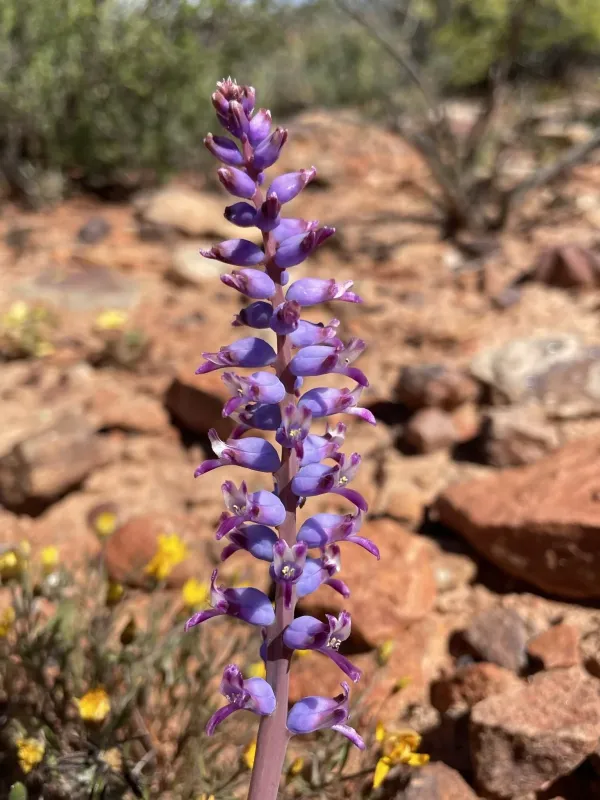
Description
Growing requirements
Lachenalia namaquensis is a bulbous perennial belonging to the Asparagaceae family, native to the arid landscapes of the Northern Cape in South Africa. This species is highly prized by collectors for its distinct, bell-shaped inflorescences and structural elegance.
The agronomic success of this crop relies heavily on soil structure. It demands a well-draining, gritty medium that prevents stagnant water. Incorporating coarse sand, perlite, and a small amount of organic matter into the substrate ensures proper root health and gas exchange.
Climate requirements for this species are specific, mimicking a Mediterranean pattern of winter rain and summer drought. During the growth cycle, temperatures should remain moderate, avoiding excessive heat which can trigger premature dormancy or plant stress.
Light intensity is paramount for the development of healthy foliage and vibrant flowering. Bright, filtered light is ideal, as direct, harsh sunlight can scorch the leaves and negatively impact the plant’s overall metabolic performance.
In terms of agricultural and horticultural use, Lachenalia namaquensis is primarily utilized as a specialty container plant. Its ability to provide winter-season blooms makes it an excellent candidate for greenhouse production and indoor winter gardening.
Main diseases and pests
Fungal pathogens represent the most significant threat to the bulbs, particularly during the growth and dormancy transitions. Botrytis and various forms of basal rot are common if the growing environment is too humid or poorly ventilated.
Pest pressure is primarily driven by spider mites and mealybugs, which thrive in indoor environments with limited airflow and low humidity. These pests feed on sap, causing chlorosis and weakening the plant's structural integrity.
Integrated pest management involves regular visual inspections and maintaining optimal environmental conditions to discourage population growth. Biological or chemical controls should be applied precisely, targeting the specific stages of pest development.
Disease prevention is far more cost-effective than mitigation. Sterilizing the planting medium and ensuring that bulbs are thoroughly dried before storage are essential practices for maintaining a healthy nursery stock.
Proper hygiene, such as removing dead leaf tissue during the dormancy period, reduces the inoculum pressure of potential pathogens. Consistent monitoring ensures early detection and maintains the long-term viability of the bulbs.