
Takesima bellflower
Campanula takesimana Nakai
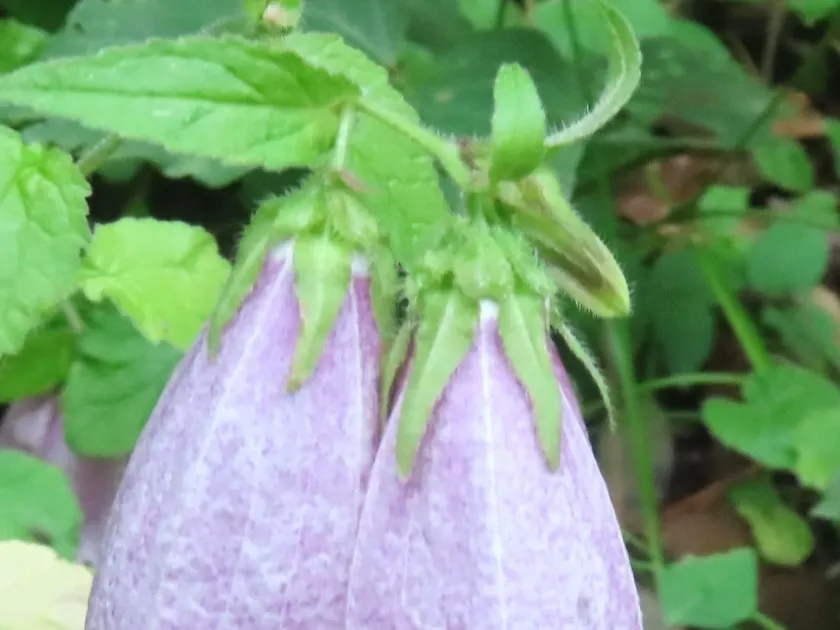
Description
Sowing dates
Propagating the Takesima bellflower is best achieved through division of the rhizomes in early spring or autumn. This method allows gardeners to expand their plantings quickly, as the plant naturally spreads via vigorous underground stems that develop new rosettes.
Seeds can also be used for propagation, though they require specific conditions to germinate effectively. Sow the seeds on the surface of a light, moist starter mix, as they need light exposure to break dormancy, and keep the temperature steady at approximately 20 degrees Celsius.
Once seedlings have developed their second set of true leaves, they should be transplanted into individual pots. Hardening off the young plants in a sheltered environment before moving them to the final garden location is crucial for success.
Planting in the garden should occur after the danger of severe frost has passed. Spacing is important; allow at least 30 to 45 centimeters between plants to ensure proper air circulation, as the plant tends to spread significantly once established.
Maintaining adequate soil moisture during the initial rooting phase is vital. Mulching around the base can help preserve soil moisture levels, providing a more stable environment for the developing root systems of the young plants.
Growing requirements
Campanula takesimana, belonging to the Campanulaceae family and native to Ulleungdo island, is a hardy perennial known for its large, pendulous, bell-shaped flowers. It thrives in temperate zones and prefers sites that mimic its natural woodland habitat.
The ideal soil for this species is rich in organic matter, moist, and well-draining. While it adapts to a variety of soil types, it performs best in slightly acidic to neutral environments that are kept consistently moist but not waterlogged.
Regarding light, this bellflower prefers partial shade. While it can tolerate more sun in cooler climates, intense heat and direct sunlight can cause the leaves to wilt and shorten the duration of the blooming period significantly.
Cultural care involves seasonal fertilization with a balanced fertilizer during the early growth phase. This supports the production of sturdy stems and encourages a longer display of blooms throughout the summer months.
Winter care is generally straightforward, as the plant is hardy in most temperate regions. However, in areas with harsh, freezing temperatures without snow cover, applying a layer of organic mulch protects the crown and ensures vigorous growth the following spring.
Main diseases and pests
Slugs and snails are the most persistent pests for Campanula takesimana, especially in damp, shaded conditions. They feed on the succulent foliage and can quickly disfigure the plant if not controlled with barrier methods or appropriate baits.
Powdery mildew is a common fungal issue that arises when plants are crowded or when airflow is restricted. Pruning back dense clumps and ensuring the garden is kept tidy can significantly reduce the incidence of this fungal pathogen.
Root rot is a major threat during wet winters or in soils with poor drainage. It is essential to ensure that the site does not accumulate standing water, as the rhizomes are highly sensitive to prolonged saturated conditions.
Aphids occasionally target the tender flower buds, stunting their development. Regular inspections allow for early detection, enabling the use of insecticidal soap or biological controls before the infestation impacts the overall aesthetics.
Proper sanitation, including the removal of dead foliage at the end of the season, helps manage the overwintering stages of pests. This proactive approach maintains the long-term health and vigor of the bellflower patch.