
Knotty cranesbill
Geranium nodosum L.
Description
Growing requirements
Knotty cranesbill (Geranium nodosum L.) is a herbaceous perennial belonging to the Geraniaceae family. Native to the mountainous woodland regions of Southern and Central Europe, it is widely valued for its ability to thrive in shaded environments where other plants struggle.
The crop prefers fertile, well-drained, and consistently moist soil. It is exceptionally tolerant of deep shade, making it a staple for woodland-style landscapes. Unlike many flowering plants, it retains its lush appearance even in areas with limited direct sunlight throughout the growing season.
Regarding climate requirements, this species favors temperate regions with reliable rainfall. While it is hardy in many zones, prolonged droughts can affect its vigor, necessitating supplemental irrigation during the hottest summer months to ensure continued foliage quality.
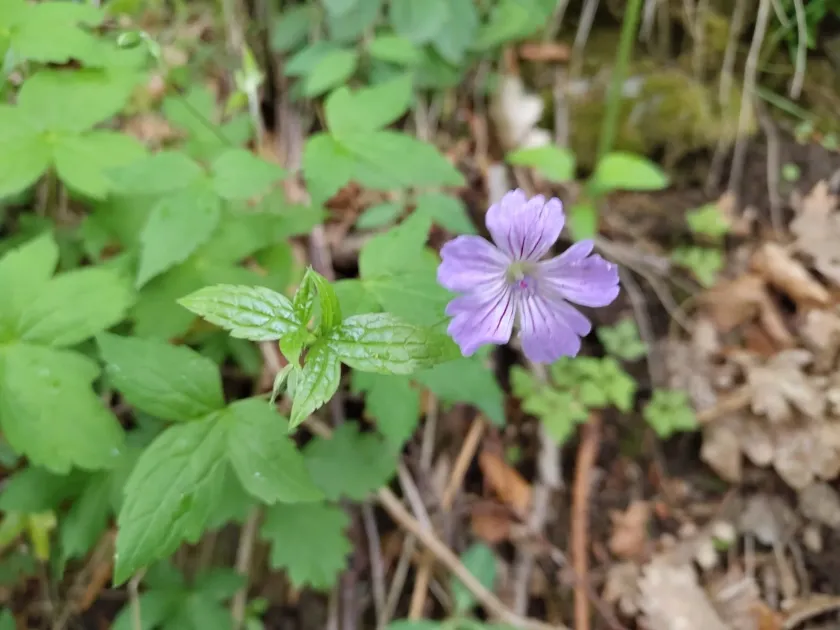
Botanically, it is identified by the prominent swollen nodes on its stems, which give the plant its specific epithet. The leaves are palmately lobed and glossy, creating a rich carpet effect. The flowers, typically shades of pink to lavender, provide a subtle but beautiful display from late spring to mid-summer.
Its primary agricultural and ornamental use is as a ground cover. Because of its spreading rhizomatous habit, it acts as an excellent weed suppressant, significantly reducing the labor required for maintenance in public parks and private gardens alike.
Main diseases and pests
Knotty cranesbill is renowned for its robust health and high resistance to most common diseases affecting ornamental perennials. Under appropriate environmental conditions, it rarely requires intervention from plant health specialists or chemical treatments.
The most common issues arise when the plant is kept in waterlogged soils, which may promote the development of root rot. Ensuring proper site selection with adequate drainage is the most effective preventative measure against these soil-borne fungal pathogens.
Slugs and snails represent the most significant pest pressure, particularly during cool and damp springs. Using physical barriers, such as sharp gravel or coarse mulch around the base of the plant, can effectively deter these mollusks from feeding on the foliage.
Infestations of aphids or mites are infrequent, as the plant's essential oils act as a natural deterrent. Maintaining good airflow by avoiding overly dense planting helps to prevent any minor outbreaks of powdery mildew that may occur in humid, stagnant conditions.
Overall, the plant is classified as low-maintenance. Good horticultural hygiene, including the removal of dead foliage at the end of the season, is sufficient to keep the plants vigorous and disease-free year after year.