
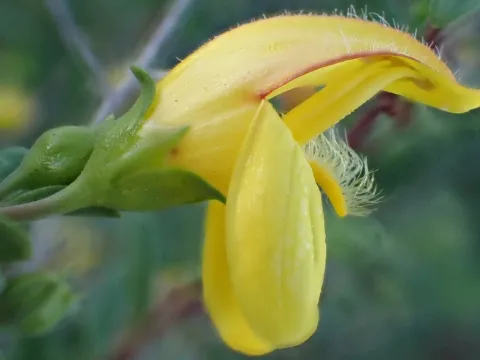
Keckiella
Keckiella
Keckiella is a genus of perennial shrubs and subshrubs belonging to the Plantaginaceae family. These plants are closely related to the Penstemon genus and are primarily native to the western parts of North America, particularly the chaparral and woodland habitats of California.
What the section contains

Keckiella
The plants are well-adapted to Mediterranean-type climates, characterized by dry, hot summers and mild, wet winters. They thrive in rocky, well-draining soils and are highly valued for their ability to tolerate periods of drought once they have established a deep root system.
Botanically, Keckiella features opposite, often leathery leaves and tubular flowers ranging in color from white and yellow to red and purple. These floral structures are specialized to attract specific pollinators, making the genus an important component of local ecosystems.
For successful cultivation, full sun exposure is non-negotiable. Plants placed in shaded areas tend to lose their structural integrity and become susceptible to various physiological disorders that weaken the overall health of the shrub.
Soil requirements focus on excellent aeration and low nutrient levels. Avoid planting in heavy clay soils without amending them with coarse sand or fine gravel to prevent water stagnation, which is the primary cause of plant loss in cultivated environments.
Root rot caused by Phytophthora species is the most significant threat to Keckiella. This condition is almost exclusively triggered by over-irrigation or soil that retains too much moisture during the dormant winter period.
Pest issues include typical ornamental garden insects such as aphids and spider mites. These are usually manageable through cultural practices, including correct spacing to ensure adequate airflow and avoiding excessive nitrogen fertilization that softens plant tissues.