
Hemianthus
Hemianthus
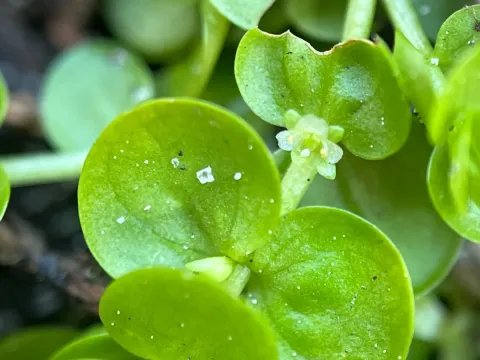
Hemianthus is a genus of small marsh and aquatic plants belonging to the Plantaginaceae family, which have gained widespread popularity in aquarium culture and ornamental fish farming. The most famous representative is Hemianthus callitrichoides, native to the tropical regions of Cuba.
What the section contains

Hemianthus
This crop requires specific conditions for active growth: intense lighting, carbon dioxide (CO2) injection, and nutrient-rich substrate. The optimal water temperature for development ranges from 22 to 28 degrees Celsius, and the plant is extremely sensitive to water clarity.
Biologically, it is a creeping plant with small opposite leaves that forms a dense carpet on the bottom of the water body. The root system is poorly developed, so the plant absorbs most of its nutrients directly from the water column through its leaves and stems.
For successful cultivation, regular fertilization with micro- and macronutrients, including iron and nitrogen, is necessary. Water hardness (GH) and acidity (pH) levels must be kept within stable ranges, as sudden fluctuations in parameters can lead to the degradation and death of the shoots.
In terms of economic use, Hemianthus is used exclusively in ornamental horticulture to create "living carpets" in aquascaping. Propagation occurs vegetatively by dividing the clumps, which easily root in fine-grained substrate given sufficient lighting.
The primary threats to the crop are algal blooms, such as filamentous algae or black brush algae, which block light access to the Hemianthus leaves. Nutrient deficiency leads to yellowing and dwarfing of the leaf blades.
Pests, such as aquarium snails or certain species of fish, can mechanically damage the delicate stems of the plant. Prevention involves maintaining biological balance and controlling herbivore populations in the crop's habitat.