
Keckiella antirrhinoides
Keckiella antirrhinoides
Description
Sowing dates
Propagation of Keckiella antirrhinoides is primarily achieved through seeds or stem cuttings. Seeds require a period of cold stratification to break dormancy, which is essential for successful germination in spring.
For cutting propagation, semi-hardwood stems should be collected during the late summer months. Using a rooting hormone and a well-draining perlite-based medium significantly improves the success rate.
Transplanting into the garden should occur after the last frost, ensuring the plant is situated in an area with optimal drainage. Proper spacing is crucial to prevent the spread of soil-borne pathogens.
Young plants require consistent monitoring during the first growing season. While they are eventually drought-tolerant, they need regular irrigation until their root systems are fully established.
When selecting a planting site, prioritize locations that mimic the natural rocky slopes of its origin. This ensures the plant remains vigorous and productive throughout the season.
Growing requirements
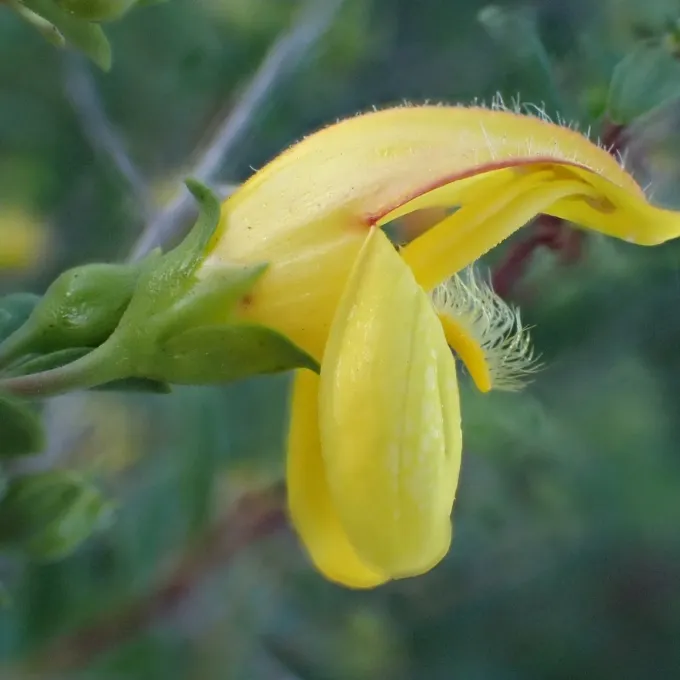
Keckiella antirrhinoides is a member of the Plantaginaceae family and is native to the chaparral and scrub communities of California. It is a distinctive shrub characterized by its snapdragon-like flowers.
The species thrives in full sun conditions. Providing adequate light is necessary for dense growth and prolific flowering, as shade will lead to leggy, unattractive foliage.
It prefers gritty, sandy, or rocky soils with low fertility. The plant is perfectly adapted to nutrient-poor soils and will often decline if over-fertilized or grown in rich, heavy humus.
This shrub is exceptionally drought-tolerant once established. Its water requirements are minimal, making it an excellent choice for xeriscaping and low-maintenance landscape designs.
Temperature tolerance is high, though it is sensitive to prolonged periods of winter dampness. Proper drainage is the single most important factor in keeping this plant healthy year-round.
Main diseases and pests
The most significant threat to the health of Keckiella antirrhinoides is excessive soil moisture. Root rot is a common occurrence in poorly drained soils and is often fatal to the shrub.
Powdery mildew may occur if air circulation is insufficient. Planting specimens with enough space between them helps to mitigate the risk of fungal infections in humid microclimates.
Aphids can occasionally infest new shoot growth during the spring. If populations become high, insecticidal soaps or mechanical removal can effectively manage the infestation without harming the plant.
Invasive weeds can compete with the shrub for limited resources in a xeriscape environment. Maintaining a clean zone around the root crown is essential for long-term plant vitality.
Pests such as mites may appear during periods of intense heat and drought stress. Regular irrigation during extreme heat waves can help the plant maintain its natural defense mechanisms.