
Crassula pubescens
Crassula pubescens Thunb.
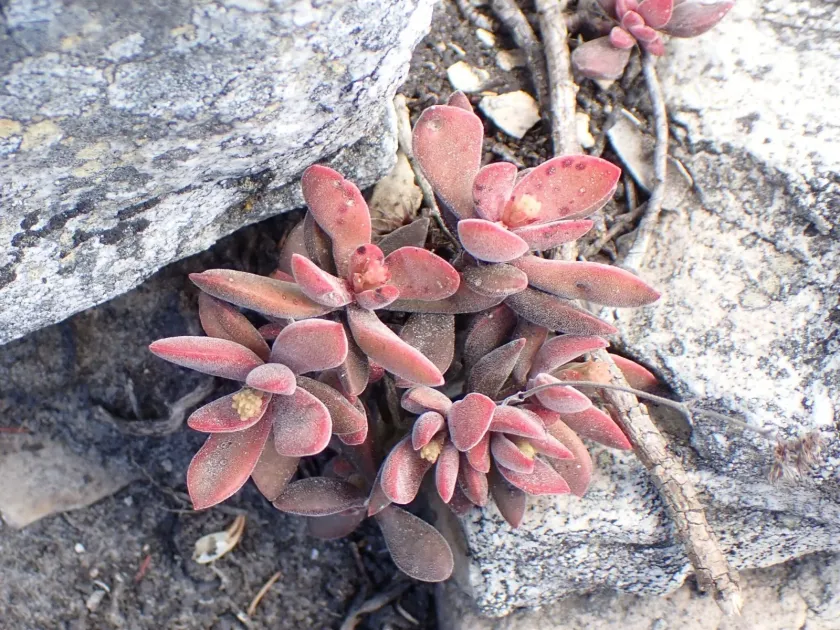
Description
Growing requirements
Crassula pubescens is a perennial succulent species belonging to the Crassulaceae family. Native to the arid regions of Southern Africa, this plant has evolved to survive in nutrient-poor and moisture-deficient environments.
The plant is distinguished by its unique pubescent foliage. The fine hairs on the leaves serve as a protective layer, helping to reduce water transpiration and providing protection against the intense African sun.
Cultivation requires a highly permeable substrate. A mix consisting of mineral components, such as perlite, pumice, or sharp sand, is essential to ensure rapid drainage and prevent water accumulation around the roots.
Regarding light, this species demands significant sun exposure to maintain its compact form. Insufficient light leads to etiolation, where the plant stems elongate unnaturally and lose their characteristic density and health.
The climate requirements emphasize a strict seasonal cycle. During the growing season, warm temperatures are favorable, whereas a cooler period in winter is necessary to induce dormancy and ensure the health of the plant for the following season.
Main diseases and pests
The primary threats to Crassula pubescens are physiological disorders stemming from improper irrigation. Overwatering quickly leads to root rot, which is often fatal if not diagnosed and corrected at an early stage.
Mealybugs are the most common pests found on this succulent. They tend to hide in the tight clusters of leaves or near the stem base, making them difficult to detect until the infestation becomes severe.
Fungal pathogens can colonize the plant tissues if there is inadequate airflow or high humidity levels. Once established, these infections can cause soft rot, which spreads rapidly through the succulent tissues.
Preventative care is centered on proper watering techniques, such as the "soak and dry" method. It is crucial to allow the substrate to dry out completely between waterings to simulate the plant's natural habitat.
If pests are present, use selective insecticides that are safe for succulents. It is advisable to perform a spot test on a small leaf area before treating the entire plant to ensure no damage occurs to the delicate pubescence.