
Morrow's sedge
Carex morrowii Boott
Description
Growing requirements
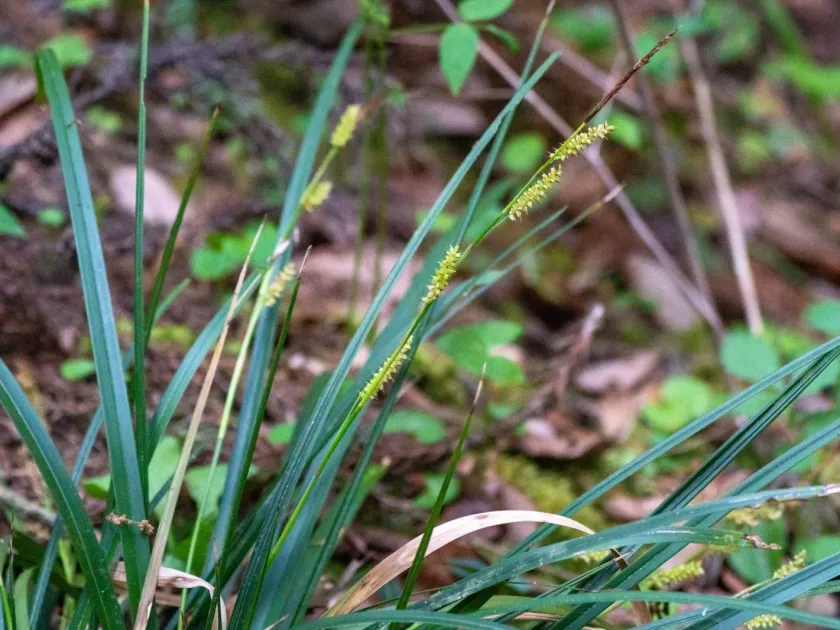
Morrow's sedge is a perennial evergreen herbaceous plant belonging to the Cyperaceae family. Originating from Japan, this species is well-adapted to temperate forest environments. The plant is prized for its attractive, arching foliage that forms dense, fountain-like clumps, maintaining its aesthetic value throughout the year.
The cultivation of this species requires shaded or semi-shaded locations, as direct sunlight can scorch the leaves in hot climates. It thrives in soils that are rich in organic matter and have a consistent moisture level. While it displays some versatility, avoiding dry, sandy, or heavily compacted soils is crucial for optimal development.
Cultural practices include regular irrigation to maintain soil moisture, particularly during the active growing season. The plant benefits from the application of organic mulch, which helps retain moisture and stabilizes soil temperatures. As a slow-growing ornamental, it does not require frequent pruning, but early spring maintenance is recommended.
In terms of winter care, the plant is relatively hardy but benefits from a layer of mulch in colder regions to protect the roots from harsh freezing and thawing cycles. Excessive winter moisture should be avoided to prevent root rot. Yearly grooming involves trimming back dead foliage to encourage the emergence of vibrant new growth.
The primary economic and horticultural use of Morrow's sedge is in landscaping. It serves as an excellent ground cover for shaded garden areas, a focal point in woodland plantings, or a textural element in container gardening. Its ability to thrive in low-light environments makes it a staple for shaded backyard designs.
Main diseases and pests
Morrow's sedge is generally considered a low-maintenance plant with few significant disease issues. However, under conditions of poor drainage or excessive humidity, the plant may become susceptible to root rot, which is caused by various soil-borne pathogens. Proper site selection and drainage are the best prevention.
Pest pressure is typically minimal, though slugs and snails can occasionally cause aesthetic damage to the leaves in damp, shaded settings. Implementing physical barriers or organic pest control methods during the spring can mitigate damage to young shoots effectively.
Fungal leaf spot diseases can occur if air circulation is inadequate. Ensuring that plants are spaced properly allows for the movement of air, which helps leaves dry out quickly after rainfall and reduces the window for fungal spores to germinate and infect the foliage.
In cases of nutrient deficiency, the foliage may lose its characteristic luster or color intensity. Applying a balanced, slow-release fertilizer at the start of the growing season can strengthen the plant's overall vitality and help it resist minor infestations or environmental stressors.
Routine inspection is recommended to ensure early detection of any issues. By maintaining a clean environment around the plant base and avoiding overhead watering during periods of high humidity, growers can maintain a healthy and vigorous stand of Morrow's sedge for many years.