
Impatiens walleriana hybrid
Impatiens walleriana x repens
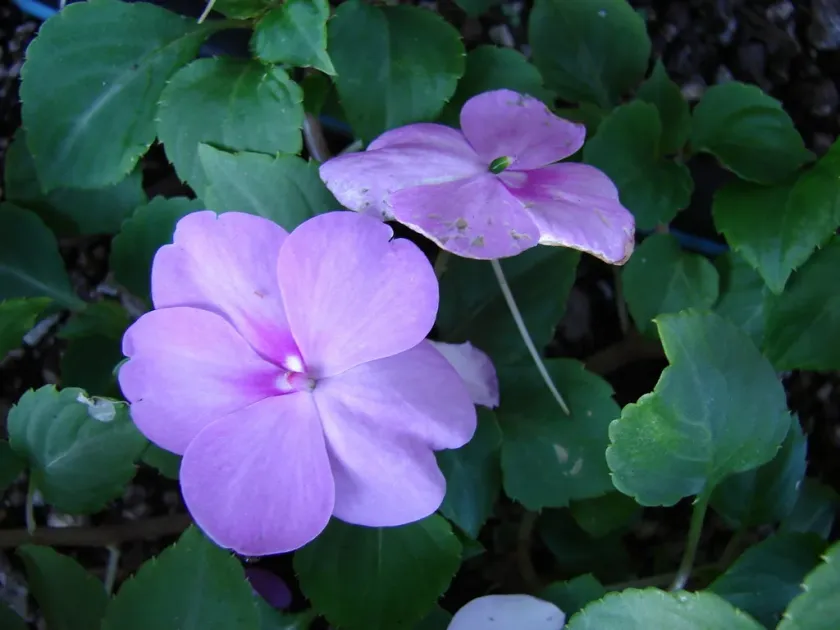
Description
Sowing dates
The sowing of Impatiens hybrid seeds is carried out in late winter or early spring, usually in February or March, to obtain strong seedlings for the start of the summer season.
For seed germination, surface sowing is required as they need good light exposure, so they are only slightly pressed into the substrate without covering them with a layer of soil.
The optimal temperature for germination should be maintained between 22 and 25 degrees Celsius, while ensuring high air humidity by covering the sowings with glass or film.
Seedling picking is carried out after the appearance of two true leaves, transplanting the plants into individual containers to ensure the development of the root system.
Planting in open ground or in permanent balcony boxes is only possible after the threat of night frosts has passed, as the crop is extremely sensitive to cold temperatures.
Growing requirements
This hybrid is a result of breeding between Impatiens walleriana and Impatiens repens, both belonging to the Balsaminaceae family.
The plant prefers semi-shaded locations, as direct sunlight can cause burns on the delicate foliage and lead to rapid soil desiccation.
The soil mixture must be light, nutrient-rich, and well-drained, with a neutral or slightly acidic pH level to prevent water stagnation around the roots.
Regular irrigation is a key requirement, although the plant tolerates neither excessive waterlogging, which triggers stem rot, nor prolonged drought periods.
To promote active flowering, the crop must be regularly fertilized with complex mineral fertilizers for flowering plants with a low nitrogen content during the growth phase.
Main diseases and pests
The main threat to this hybrid comes from fungal diseases such as gray mold and powdery mildew, which thrive in conditions of poor ventilation.
In conditions of excessive soil and air humidity, the root system is prone to root rots, which can quickly lead to plant death without proper preventive measures.
Among pests, the spider mite and whitefly cause the most significant damage, especially in dry air conditions found in indoor spaces or greenhouses.
For control of insect pests, it is recommended to use systemic insecticides or biological control methods while regularly inspecting the undersides of the leaves.
Disease prevention includes maintaining spacing during planting, ensuring proper drainage, and regularly ventilating the areas where the crop is grown.