
Impatiens flaccida
Impatiens flaccida Arn.
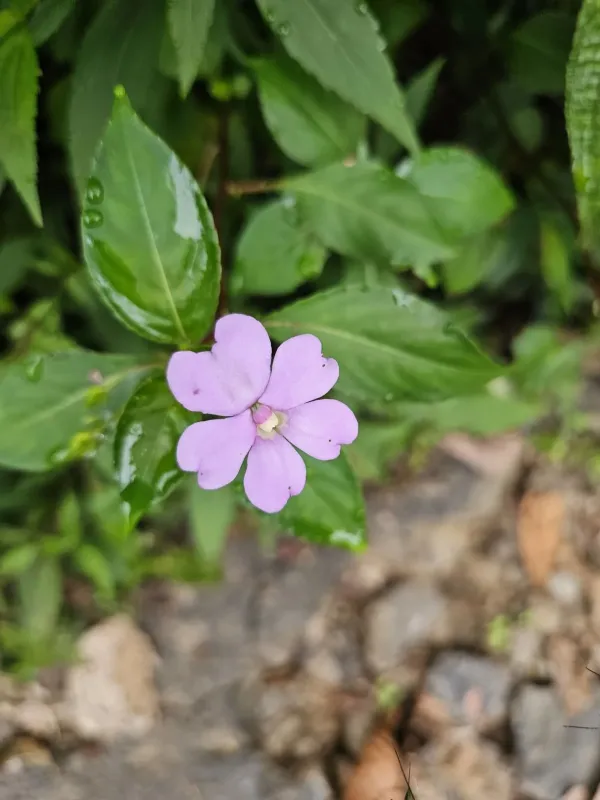
Description
Sowing dates
Sowing seeds of Impatiens flaccida is typically done in late winter, roughly 8 to 10 weeks before the expected last frost date. Using a sterile, well-draining seed-starting mix is essential for healthy germination.
Seeds should be surface-sown and barely pressed into the soil, as they require light to germinate effectively. Covering them with a thin layer of vermiculite can help maintain the necessary humidity levels.
Maintain consistent soil temperatures between 20°C and 24°C to ensure successful germination. Covering the container with a plastic dome or plastic wrap will help keep the environment stable and prevent the seeds from drying out.
Seedlings should be moved to a well-lit location immediately upon emergence. Providing adequate light prevents leggy growth and ensures that the young plants develop a strong, sturdy stem structure.
Once the seedlings develop their first true leaves, they can be transplanted into individual pots. This practice encourages the development of a more robust root system before the plants are finally moved outdoors.
Growing requirements
Impatiens flaccida, a member of the Balsaminaceae family, is a tropical perennial often cultivated as an annual in temperate climates. It is native to humid, shaded regions of Asia, which dictates its environmental needs.
The ideal soil for this plant should be rich in organic matter, slightly acidic, and highly porous. It thrives in soils that stay consistently moist but never waterlogged, as the roots are prone to rotting.
This species is well-adapted to shade and partial shade environments. Direct sunlight can cause leaf scorch and dehydration, so positioning the plants in a site protected from afternoon sun is crucial for success.
Watering requirements are high during the active growing season. It is vital to check soil moisture daily, especially for container-grown plants, ensuring that the roots remain hydrated without being drowned.
To support continuous flowering, feed the plants with a balanced, water-soluble fertilizer every two weeks. High-phosphorus formulas are particularly beneficial for promoting more vigorous blooms throughout the season.
Main diseases and pests
Spider mites are a common threat, particularly in hot and dry conditions. These small pests colonize the underside of leaves, causing yellowing and webbing, which can quickly degrade the appearance of the entire plant.
Powdery mildew often appears as a white, dusty layer on leaves when humidity is high and air circulation is poor. Proper spacing and avoiding overhead watering can significantly reduce the risk of this fungal disease.
Root rot is perhaps the most significant threat to the health of Impatiens flaccida. It is primarily caused by overwatering or poor drainage systems in containers, which effectively suffocates the plant's root system.
Whiteflies can also affect the plants, especially in greenhouse or nursery settings. These pests feed on the sap and can spread viral diseases, necessitating immediate intervention with appropriate horticultural soaps or insecticides.
Regular sanitation, such as removing fallen leaves and dead flowers, helps to maintain a clean environment. This practice reduces the hiding places for pests and prevents the spread of pathogens throughout the planting area.