
Busy Lizzie
Impatiens walleriana Hook. f.
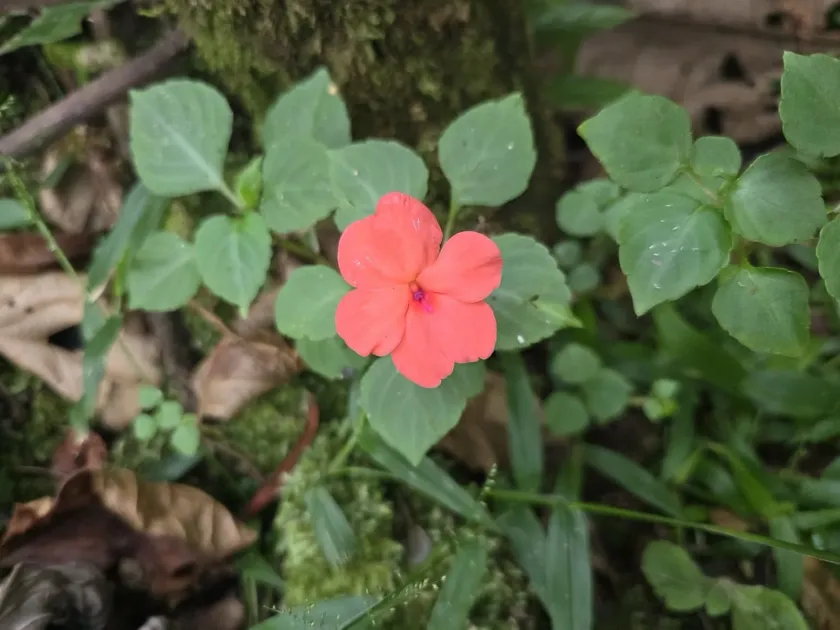
Description
Sowing dates
Impatiens walleriana is a popular annual bedding plant belonging to the Balsaminaceae family. Sowing typically begins in late winter or early spring in a climate-controlled greenhouse to ensure a steady growth cycle before the frost-free season.
Seeds are tiny and require light to germinate, so they should be sown on the surface of a moist, fine-textured growing medium. Maintaining a consistent temperature of 22–24 degrees Celsius is essential for high germination rates.
Seedlings are pricked out into individual plugs or small pots once they develop their first set of true leaves. This spacing technique promotes a robust root system and prevents the seedlings from becoming overcrowded and leggy.
Transplanting into the permanent growing location occurs only when all risk of frost has passed, as this species is extremely sensitive to cold temperatures. Proper hardening off is recommended to reduce transplant shock.
Commercial production often utilizes high-quality F1 hybrids, which offer uniform growth, earlier flowering, and improved resistance to environmental stressors compared to traditional varieties.
Growing requirements
Native to East Africa, this plant thrives in warm, humid conditions with filtered light. It is an ideal choice for shaded garden beds, borders, or container gardening, provided it is shielded from harsh, direct sunlight.
The soil must be well-draining, rich in organic matter, and slightly acidic. Good drainage is non-negotiable, as waterlogged conditions lead to rapid root rot and systemic failure of the plant.
Consistent moisture is key for healthy growth; the plants should never be allowed to dry out completely. However, watering should be focused at the root zone to keep the foliage dry and prevent fungal outbreaks.
Fertilization with a balanced, water-soluble fertilizer is necessary every two weeks during the active blooming period. Excessive nitrogen should be avoided to prevent weak, succulent stem growth.
For indoor or greenhouse cultivation, maintaining adequate airflow is essential to prevent the buildup of humidity, which can lead to bacterial and fungal infections of the stems and leaves.
Main diseases and pests
Downy mildew remains the most significant threat to Impatiens walleriana, capable of devastating entire populations rapidly. Symptoms include yellowing leaves, stunted growth, and a characteristic white or grey fungal fuzz on the undersides of leaves.
Root rot caused by pathogens such as Pythium and Phytophthora often occurs when plants are kept in soil that is too dense or constantly saturated. Using sterile media is the most effective preventative measure.
Spider mites are common pests that flourish in warm, dry environments. They cause stippling and yellowing of the leaves, eventually leading to premature defoliation if left untreated.
Whiteflies can also infest crops, especially in greenhouses, causing significant damage by sap-sucking and spreading plant viruses. Regular monitoring and integrated pest management are crucial for control.
- Maintain proper plant spacing to improve ventilation.
- Avoid overhead watering to keep foliage dry.
- Promptly remove and destroy infected plant debris.