
New Guinea Impatiens
Impatiens hawkeri W. Bull
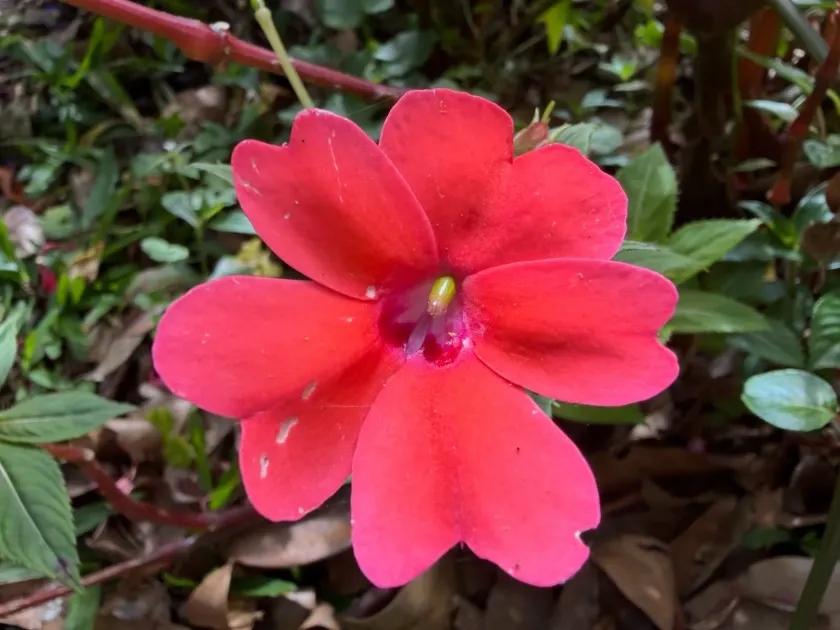
Description
Sowing dates
Propagation of Impatiens hawkeri is typically initiated by sowing seeds in late winter or early spring in a climate-controlled greenhouse environment.
Seeds require warm temperatures, ideally between 22°C and 25°C, to ensure uniform and efficient germination rates across the seed tray.
Light is a critical factor for successful germination, as the seeds should be sown on the surface of the growing medium without covering them.
The use of humidity domes is highly recommended to maintain the necessary moisture levels until the first true leaves have fully developed on the seedlings.
Once the seedlings are large enough to handle, they are transplanted into individual pots to encourage stronger root development before their final deployment.
Growing requirements
As a member of the Balsaminaceae family, this species thrives in environments that mimic its tropical origin, specifically in New Guinea and surrounding islands.
The plant requires a well-draining, nutrient-rich potting mix that remains moist but never waterlogged to prevent root system suffocation and decay.
Bright, indirect light is essential for maintaining the intense foliage color and achieving the maximum potential for prolific floral production.
Temperature consistency is vital, as Impatiens hawkeri is highly sensitive to cold drafts and temperatures that drop below 15°C for extended periods.
Regular fertilization with a balanced, water-soluble fertilizer is necessary during the peak growing season to sustain the plant's vigorous growth and continuous blooming.
Main diseases and pests
Spider mites represent a significant threat to Impatiens hawkeri, especially in environments where humidity levels are kept too low for the plant's needs.
Whiteflies are another common nuisance that can quickly colonize the underside of leaves, causing yellowing and stunted development if left unchecked.
Botrytis blight or gray mold can frequently occur in overcrowded greenhouse conditions or where air circulation is insufficient for proper evaporation.
Root rot, often caused by Pythium or Phytophthora species, is a direct consequence of over-watering and poor drainage practices in the growing containers.
Integrated pest management, including monitoring and timely application of appropriate horticultural treatments, is necessary to keep the plants healthy and vigorous.