
New Guinea Impatiens
Impatiens New Guinea Group x Impatiens auricoma
Description
Sowing dates
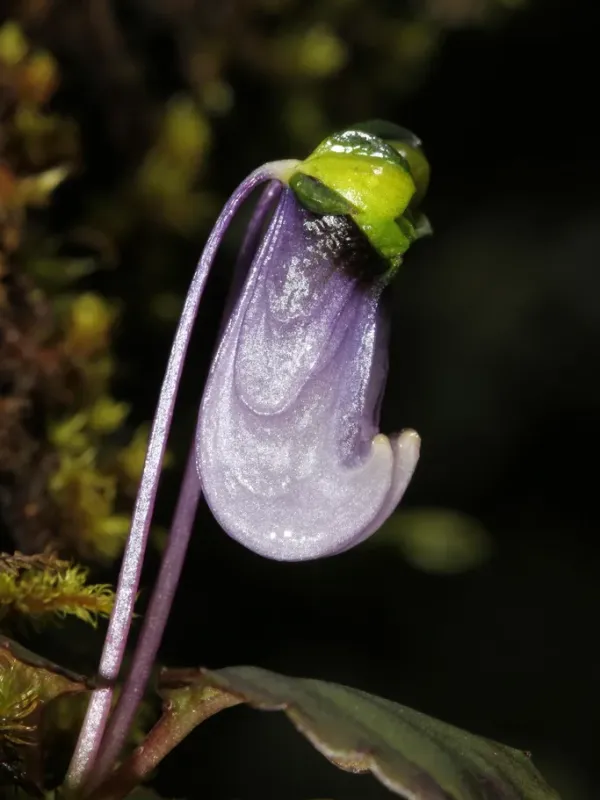
New Guinea Impatiens is a complex hybrid group resulting from the hybridization of Impatiens hawkeri and Impatiens auricoma. It belongs to the Balsaminaceae family and is widely appreciated as a high-value ornamental crop for containers and bedding.
Propagation is primarily achieved through cuttings, which ensures the maintenance of specific hybrid traits and uniform growth. Seeds can also be used, but they require strictly controlled conditions for successful germination and early development.
For seed propagation, a high-quality, sterile substrate is essential. The seeds should be surface-sown and maintained at a temperature between 22–24 degrees Celsius, with high humidity and supplemental lighting for optimal germination rates.
Cuttings should be taken from healthy, non-flowering shoots. They root efficiently in moist perlite or professional rooting mixes within 10–14 days when provided with warm temperatures and high ambient humidity.
Transplanting to outdoor locations or final containers should only occur when all danger of frost has passed. These plants are extremely cold-sensitive and will suffer physiological damage if temperatures drop below 10 degrees Celsius.
Growing requirements
The culture requires a well-draining, nutrient-rich growing medium with an acidic to neutral pH (5.5–6.5). Proper soil aeration is crucial to prevent root zone suffocation and ensure vigorous development of the root system.
While New Guinea Impatiens are more sun-tolerant than traditional bedding impatiens, they still thrive in light shade. In regions with intense solar radiation, providing protection during the hottest part of the day is vital for leaf health.
Water management is the most critical aspect of daily care. The soil should be kept consistently moist but never waterlogged. Drip irrigation or careful hand watering at the base of the plant is recommended to keep the foliage dry and healthy.
Regular fertilization with a balanced, water-soluble fertilizer is necessary for sustained flowering. High-potassium formulas are preferred to promote bloom production while maintaining sturdy, non-leggy growth habits.
The plants perform best under stable temperatures. Excessive heat may cause flower drop, while cold drafts can lead to leaf yellowing and stunted growth. Maintaining a steady environment is key to a high-quality ornamental display.
Main diseases and pests
Fungal pathogens such as Botrytis and various root rots are the most common threats to crop health. These are frequently triggered by high humidity combined with poor airflow and overly dense planting patterns.
Insects like thrips, aphids, and spider mites are frequent pests. Spider mites, in particular, thrive in dry, warm conditions, quickly causing chlorosis and fine webbing on the undersides of the foliage if left uncontrolled.
Integrated pest management (IPM) is highly recommended. This includes the use of biological controls, scouting for early signs of infestation, and the judicious application of registered insecticides and miticides to minimize environmental impact.
Viral infections, including Spotted Wilt Virus, are serious concerns in commercial production. Because there is no cure, strict sanitation, removal of symptomatic plants, and insect vector control are the only effective management strategies.
General hygiene, including regular disinfection of greenhouse benches and tools, helps reduce the incidence of soil-borne diseases and prevents the spread of pathogens between plant batches, ensuring a successful production cycle.