
Garden balsam
Impatiens balsamina L.
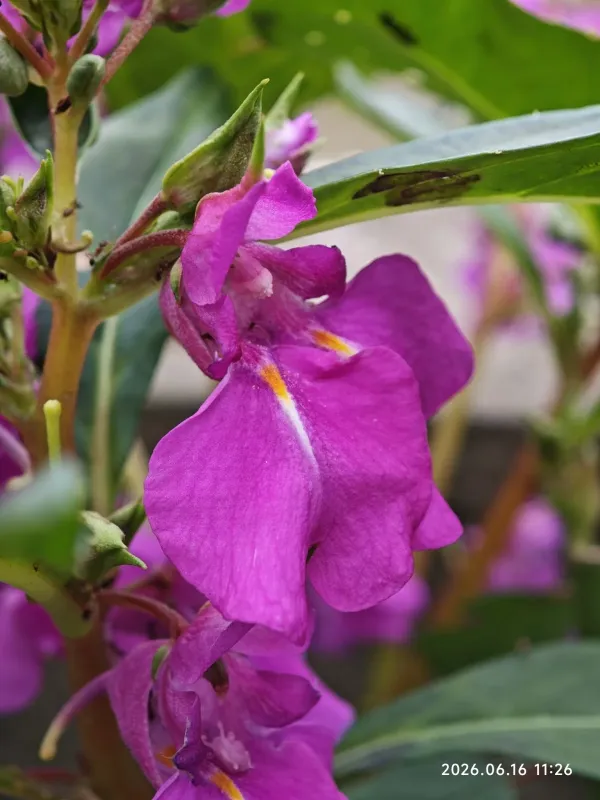
Description
Sowing dates
Garden balsam (Impatiens balsamina L.) is a popular annual herbaceous plant belonging to the Balsaminaceae family, known for its rapid growth and vibrant blooms.
Propagation is typically done by seeds sown indoors 6 to 8 weeks before the last expected frost. The seeds need light to germinate, so they should be barely covered with soil.
For outdoor sowing, it is essential to wait until the soil is thoroughly warmed, as the plant is highly sensitive to even light frost. Temperatures should consistently stay above 15 degrees Celsius.
When transplanting seedlings, spacing them 25-30 cm apart is recommended to ensure sufficient air circulation, which is vital for preventing fungal diseases in the dense foliage.
The germination period usually lasts between 10 to 14 days under optimal conditions of 20-22 degrees Celsius and high humidity levels.
Growing requirements
Originating from the tropical regions of South and Southeast Asia, this species thrives in warm, humid conditions with plenty of indirect sunlight.
The plant requires well-drained, fertile soil rich in organic matter. Waterlogging must be strictly avoided, as the succulent stems are prone to rotting when kept in saturated soil.
While garden balsam can tolerate full sun in cooler climates, it typically prefers partial shade in hotter regions to protect the leaves from scorching.
Regular fertilization with a balanced liquid fertilizer every two weeks throughout the growing season supports continuous flowering and maintains plant vigor.
Proper moisture management is the key to success; the soil should remain evenly moist, but never soggy, to support the plant's rapid growth cycle.
Main diseases and pests
The most significant pest for garden balsam is the spider mite, which flourishes in hot and dry environments, causing leaf yellowing and reduced plant vitality.
Powdery mildew is a common fungal issue that presents as a white, dusty coating on leaves, often occurring when air circulation is poor or humidity is high.
Root rot, often caused by Pythium species, remains a major threat, particularly in poorly drained containers or garden beds where moisture accumulates.
Whiteflies can also cause significant damage by feeding on plant sap and potentially transmitting various plant viruses that stunt development.
- Use of systemic insecticides.
- Regular cleaning of debris around plants.
- Adequate spacing to promote airflow.
- Monitoring for early signs of infection.