
Busy Lizzie
Impatiens walleriana x Impatiens pseudoviola
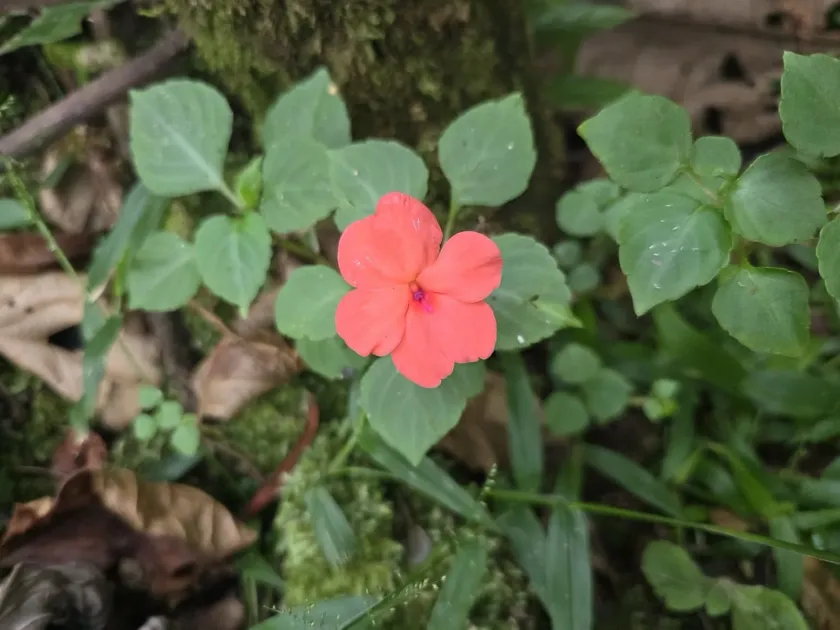
Description
Sowing dates
Sowing seeds of Impatiens walleriana for high-quality seedlings begins in February or March. The seeds are extremely small, so they should be sown on the surface without covering with soil, or just slightly pressed into the substrate.
For successful germination, it is necessary to maintain a soil temperature of +22 to +25 degrees Celsius. It is vital to ensure constant air humidity under plastic or glass, preventing the surface layer from drying out.
Seedlings appear 10–14 days after sowing if provided with sufficient light. After germination, the cover is gradually removed so that the plants can adapt to the room humidity and begin to develop true leaves.
Seedling pricking out is performed when the first two true leaves appear, moving them into separate containers about 8–10 centimeters in diameter. This allows the root system to develop more intensely before planting into the ground.
Plants should be moved to the open ground or containers only after the threat of spring frosts has completely passed. Impatiens are highly heat-loving, and even a brief drop in temperature below +5 degrees can be fatal.
Growing requirements
Busy Lizzie belongs to the Balsaminaceae family and prefers semi-shaded areas. Direct midday sunlight can cause burns on delicate leaves and significantly shorten the period of abundant flowering.
The plant requires light, fertile, well-drained soil with a neutral or slightly acidic reaction. It is important to avoid water stagnation at the roots, as this leads to the rapid development of decay processes in the stem.
The optimal temperature for growth is between +18 and +24 degrees. Regular watering is required in hot weather, but you should avoid getting water on the flowers to preserve their aesthetic appearance.
During the growing season, it is recommended to apply complex mineral fertilizers every two weeks. The composition of the fertilizer should prioritize phosphorus and potassium to maintain long-lasting flowering.
The agricultural and ornamental use of the plant includes landscaping flower beds, growing in hanging baskets, and balcony boxes. Impatiens are valued for their long flowering season from early summer to late autumn.
Main diseases and pests
The main danger to the crop is gray mold, which develops due to violations of the humidity regime and poor air ventilation. Affected parts of the plant should be removed immediately to prevent the spread of infection.
A frequent pest of Impatiens is the spider mite, which multiplies actively in dry air and high temperatures. It can be identified by the characteristic webbing on the underside of the leaf blades.
Whiteflies also cause significant damage by sucking sap from the leaves and leaving a sticky residue, which serves as a medium for sooty mold. Systemic insecticides or biological agents are used to combat these pests.
Root rot becomes a problem with incorrect watering and the use of heavy substrates. Prevention consists of disinfecting the soil before planting and providing a good drainage layer in the pots.
Viral diseases, such as mosaic, can be transmitted by insect vectors. Infected plants cannot be cured; therefore, they should be isolated and disposed of immediately to protect the rest of the collection.