
Waller's hybrid impatiens
Impatiens walleriana x I. auricoma
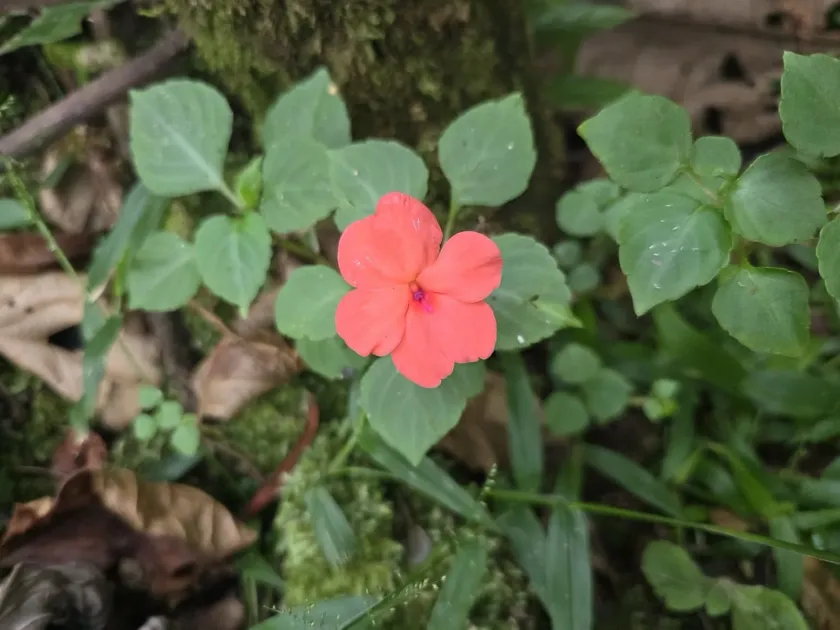
Description
Sowing dates
Seeds of Waller's hybrid impatiens are sown indoors in late winter or early spring to ensure a long flowering season. They require a temperature of about 22-24°C to germinate effectively.
The seeds are light-dependent, so they should be sown on the surface of the growing medium rather than buried. Covering them with a very thin layer of vermiculite helps maintain essential humidity while allowing light penetration.
Germination typically occurs within two weeks under optimal conditions. Once the seedlings develop two sets of true leaves, they are transplanted into individual containers to allow the root system to expand fully.
Hardening off the seedlings is a critical step before moving them outdoors. This involves gradually exposing them to outside temperatures and wind over a period of 7-10 days to prevent transplant shock.
Vegetative propagation via cuttings is a common practice for maintaining specific hybrid traits. Cuttings root easily in water or a moist peat-perlite mixture within a few weeks, providing identical clones of the parent plant.
Growing requirements
Waller's hybrid impatiens (Impatiens walleriana x I. auricoma) is a member of the Balsaminaceae family. It is highly valued in horticulture for its vibrant, profuse blooms and compact growth habit.
This crop thrives in partial shade to full shade environments. It is sensitive to intense direct sunlight, which can quickly cause wilting and foliage damage, especially in hot summer climates.
The ideal soil is rich, well-draining, and consistently moist. It is important to maintain a slightly acidic to neutral soil pH to facilitate the optimal uptake of micronutrients needed for flowering.
Water management is the key to successful cultivation. The plants should never be allowed to dry out completely, yet the growing medium must have excellent drainage to avoid waterlogged conditions which are fatal to roots.
Fertilization should be consistent throughout the growing season. A balanced, water-soluble fertilizer applied every two weeks helps sustain continuous flower production and healthy foliage development.
Main diseases and pests
Downy mildew is the most significant disease threat to hybrid impatiens. It often appears as yellowing foliage followed by rapid leaf drop, frequently triggered by high humidity and poor air circulation.
Spider mites are the most persistent pest, particularly in warm and dry indoor or outdoor environments. They cause stippling on the leaves and can lead to a rapid decline in plant vitality.
Aphids and whiteflies are common insect pests that weaken the plants by extracting sap. They also deposit honeydew, which attracts sooty mold, further reducing the plant's aesthetic and photosynthetic potential.
Root rot is a common cultural problem caused by overwatering or poor drainage. It manifests as a soft, blackened stem base and sudden wilting, indicating that the vascular system is compromised.
- Maintain good spacing between plants for airflow.
- Remove and destroy infected plant debris immediately.
- Implement integrated pest management with appropriate biological or chemical agents.