
Impatiens repens
Impatiens repens Moon
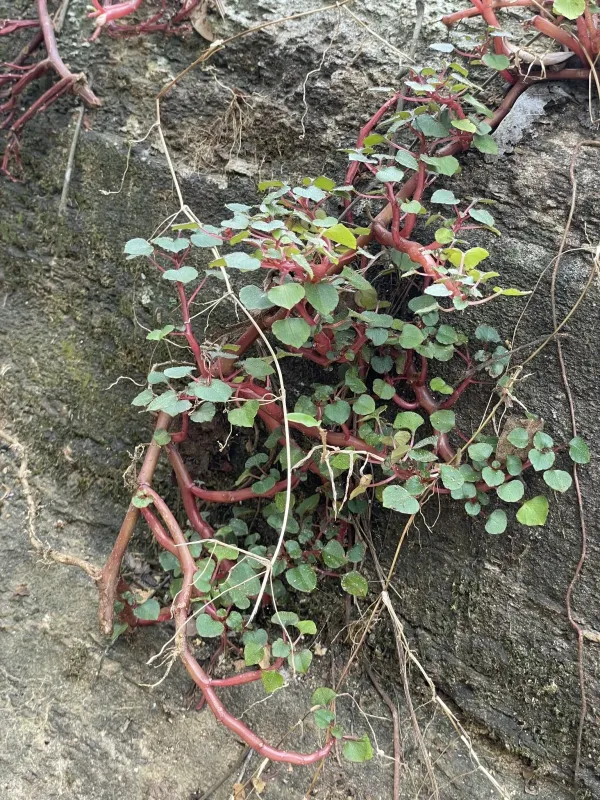
Description
Growing requirements
Impatiens repens, known commonly as the creeping balsam, is a perennial flowering plant belonging to the Balsaminaceae family. Native to the tropical rainforests of Sri Lanka, this species is highly valued for its striking, waxy, kidney-shaped leaves and bright yellow flowers.
Botanically, the plant is characterized by its creeping, reddish stems that root easily at the nodes. This growth habit makes it an excellent choice for ground cover in conservatories or as an attractive trailing plant for hanging baskets in indoor gardening settings.
Regarding climatic requirements, Impatiens repens thrives in temperatures ranging from 18 to 25 degrees Celsius. It is not cold-hardy and requires a shaded or semi-shaded location, as direct sunlight can easily scorch its delicate, moisture-rich foliage.
The soil should be consistently moist, well-draining, and rich in organic matter. A mixture of peat moss, perlite, and high-quality potting compost is ideal for maintaining the necessary acidity levels and preventing the roots from suffocating in compacted media.
Aegrotechnical maintenance involves regular watering and high ambient humidity. Unlike some other species of the genus, it does not tolerate drought conditions, and even a brief period of dryness can lead to rapid wilting and leaf drop.
Main diseases and pests
Spider mites are a significant threat to Impatiens repens, particularly in indoor environments with low humidity. They thrive on the underside of leaves, causing discoloration and eventual leaf death if left untreated by appropriate miticides or humidity management.
Mealybugs are another common pest that targets the stems and joints of the plant. Their presence weakens the plant by extracting essential sap, and their excretion encourages the growth of black sooty mold, which impairs photosynthesis.
Fungal pathogens such as Botrytis (gray mold) often appear when air circulation is poor and humidity remains too high for extended periods. Pruning affected parts and improving ventilation are critical steps to prevent the spread of the infection to healthy tissues.
Root rot is primarily a management-related issue caused by overwatering or poor drainage. Using containers with adequate drainage holes and selecting a porous substrate is essential to avoid anaerobic conditions that favor fungal colonization of the root system.
Proactive care involves monitoring for pests and diseases, especially during seasonal changes. Keeping the foliage clean and avoiding overhead watering can significantly reduce the incidence of leaf-borne diseases while maintaining the plant's aesthetic appeal.