
Impatiens pseudoviola
Impatiens pseudoviola Gilg
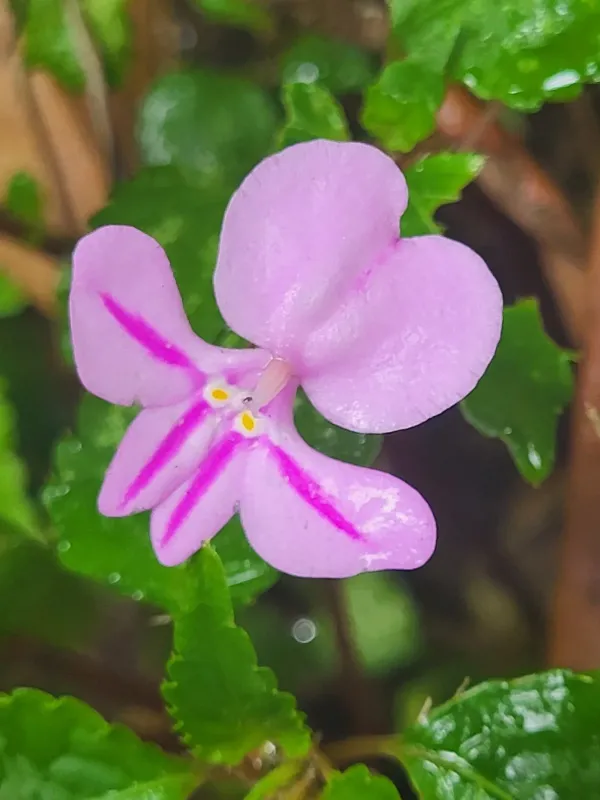
Description
Growing requirements
Impatiens pseudoviola is a distinctive species belonging to the Balsaminaceae family. Originating from the montane forest regions of Tanzania in East Africa, it thrives in environments characterized by high humidity and consistent mild temperatures.
This species is highly valued for its aesthetic appeal, featuring delicate, violet-like blooms that distinguish it from the more common Impatiens varieties found in commercial horticulture. It is primarily categorized as an ornamental plant for specialized collections.
Cultural requirements dictate a strictly controlled environment. The plants require a stable temperature range between 18°C and 24°C, avoiding any direct cold drafts or intense heat that could compromise the plant's delicate vascular system.
The growing medium must be highly porous to ensure efficient drainage while retaining essential moisture. A mixture of peat moss, perlite, and decomposed forest organic matter provides the optimal balance of aeration and fertility for root development.
Light management is crucial, as the species is adapted to forest canopy shade. Providing filtered, indirect light prevents leaf scorch and promotes healthy floral development throughout the active growth phase of the plant.
Main diseases and pests
Root rot is the most significant pathological threat to Impatiens pseudoviola, often caused by overwatering or poor drainage systems in pots. Maintaining a proper watering cycle is essential for long-term survival.
Spider mites represent the primary pest risk, particularly in environments with inadequate humidity levels. These pests thrive in dry air, necessitating regular misting or the use of humidifiers to maintain a healthy microclimate.
Powdery mildew can frequently affect the foliage if air circulation is poor within a greenhouse or indoor space. Improving ventilation and maintaining spatial separation between plants can prevent the spread of these fungal spores.
Aphid infestations may occur, targeting the succulent new growth of the plant. Integrated pest management, including the introduction of natural predators or targeted organic sprays, is effective in maintaining plant health.
The whitefly is another potential pest that can cause damage to the leaves and stunt overall development. Consistent monitoring and the use of yellow sticky traps are common strategies employed by growers to mitigate whitefly populations.