
Broad-leaved balsam
Impatiens platypetala Lindl.
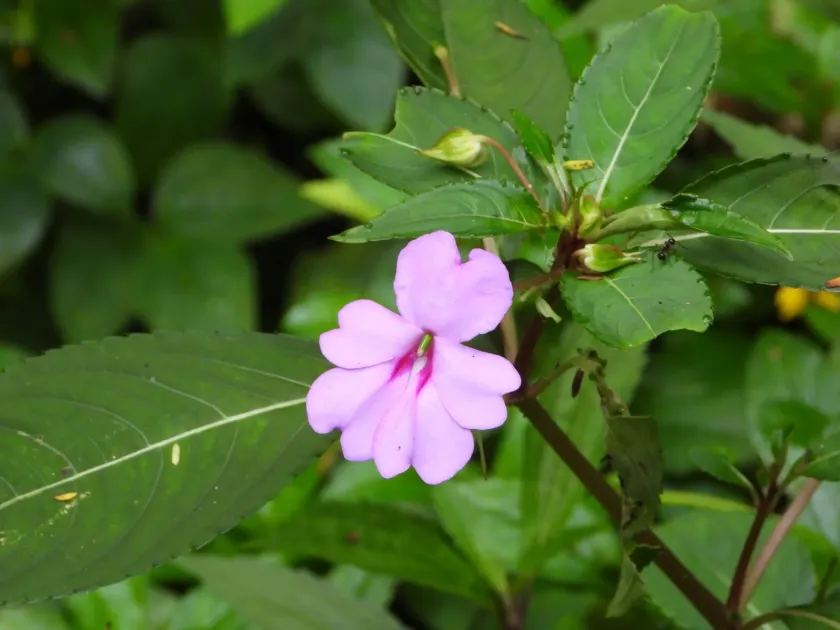
Description
Growing requirements
Broad-leaved balsam (Impatiens platypetala) is a perennial herbaceous plant belonging to the Balsaminaceae family. Native to the tropical forests of Indonesia, this species has evolved in humid, shaded environments which dictate its horticultural needs.
The plant thrives in partial shade, as intense direct sunlight tends to scorch its foliage and reduce the overall aesthetic quality. Temperatures between 18°C and 25°C are ideal for consistent vegetative development throughout the growing season.
Cultural success depends on a nutrient-rich, well-draining soil medium with a slightly acidic to neutral pH level. Proper drainage is essential, as the root system is highly susceptible to rot when exposed to waterlogged conditions or poor aeration.
In terms of agricultural use, this plant is primarily valued as an ornamental crop. It is frequently utilized in landscape design for shade-loving garden borders, patio containers, and indoor plant arrangements where its unique flower structure is a key feature.
Agronomic maintenance requires consistent moisture levels without over-saturating the substrate. It is advisable to use a light potting mix enriched with organic matter to mimic its natural tropical forest floor habitat.
Main diseases and pests
Common pests affecting Impatiens platypetala include spider mites and whiteflies, especially in greenhouse or indoor environments with low humidity.
Fungal issues, particularly root rot and powdery mildew, are the most frequent threats caused by excessive soil moisture and insufficient airflow around the leaves.
Integrated pest management strategies should include regular inspection of the underside of leaves and the application of appropriate biological or chemical controls.
To prevent disease outbreaks, cultivators must ensure proper spacing between individual plants to promote good ventilation and reduce humidity build-up.
Maintaining a balanced fertilization schedule is important, as nutrient stress can make the plant more susceptible to opportunistic pathogens and pest infestations.